Sold out!

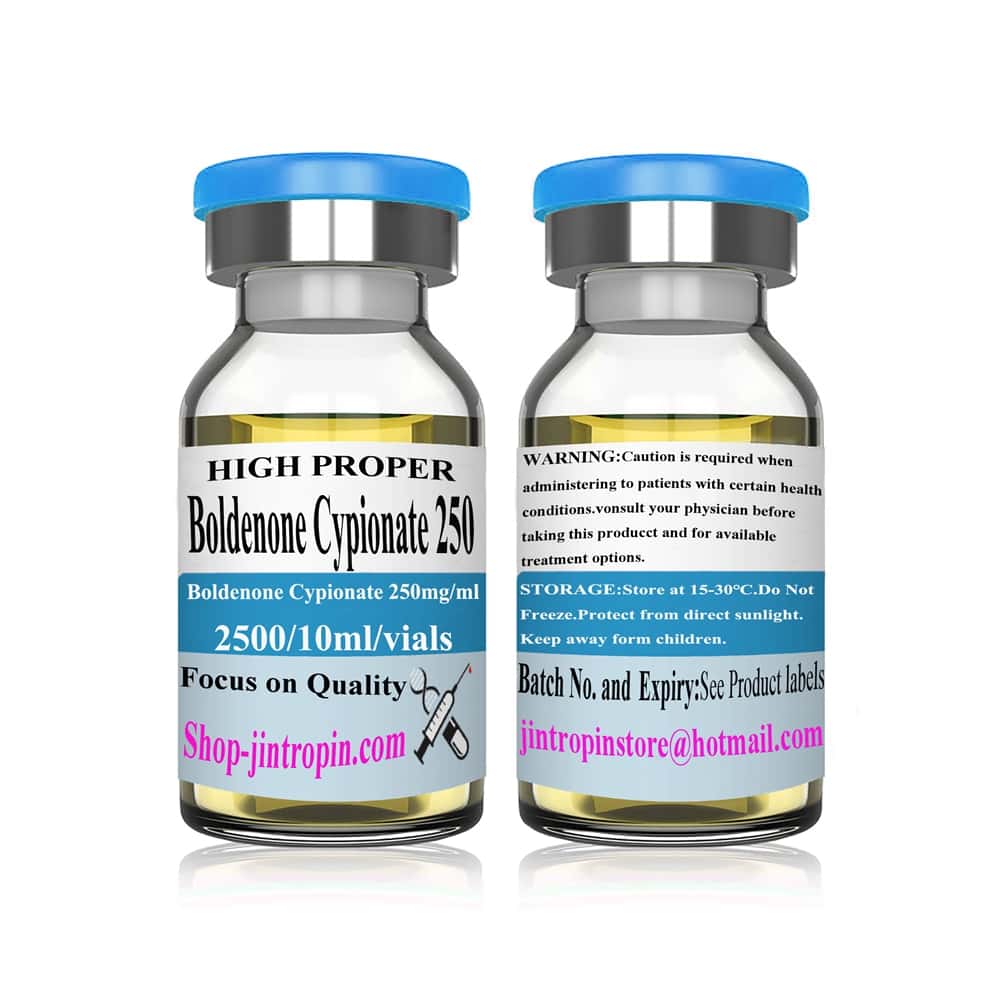
BC-250 Boldenone Cypionate Oil Steroids Injectable 200mg/ml

Original price was: $100.00.Current price is: $50.00.

N-Acetyl Epithalon Amidate is a chemically modified form of Epithalon (Ala-Glu-Asp-Gly) that incorporates two terminal modifications: N-terminal acetylation and C-terminal amidation. These modifications protect the peptide from exopeptidase-mediated degradation ?C aminopeptidases at the N-terminus and carboxypeptidases at the C-terminus ?C resulting in substantially improved metabolic stability in biological matrices. The core AEDG amino acid sequence, which is responsible for the compound??s documented research activity, remains unchanged..

Sold out!

100% delivery

  • Done Satisfaction Guaranteed
  • Done No Hassle Refunds
  • Done Secure Payments
GUARANTEED SAFE CHECKOUT
  • Visa Card
  • MasterCard

Description

About BC-250 Boldenone Cypionate Oil Steroids

N-Acetyl Epithalon Amidate is a chemically modified form of Epithalon (Ala-Glu-Asp-Gly) that incorporates two terminal modifications: N-terminal acetylation and C-terminal amidation. These modifications protect the peptide from exopeptidase-mediated degradation ?C aminopeptidases at the N-terminus and carboxypeptidases at the C-terminus ?C resulting in substantially improved metabolic stability in biological matrices. The core AEDG amino acid sequence, which is responsible for the compound??s documented research activity, remains unchanged. The primary mechanism documented in published literature is the induction of telomerase catalytic subunit (hTERT) expression in human somatic cells, resulting in measurable telomerase enzyme activity and telomere elongation. A 2003 study demonstrated average telomere elongation of 33.3% in human fetal fibroblast cultures, with treated cells surpassing the Hayflick replicative limit (3). More recent research has confirmed hTERT upregulation as the mechanism in normal cell lines while identifying alternative pathways in cancer cell models (4). N-Acetyl Epithalon Amidate is a chemically modified form of Epithalon (Ala-Glu-Asp-Gly) that incorporates two terminal modifications: N-terminal acetylation and C-terminal amidation. These modifications protect the peptide from exopeptidase-mediated degradation ?C aminopeptidases at the N-terminus and carboxypeptidases at the C-terminus ?C resulting in substantially improved metabolic stability in biological matrices. The core AEDG amino acid sequence, which is responsible for the compound??s documented research activity, remains unchanged. The primary mechanism documented in published literature is the induction of telomerase catalytic subunit (hTERT) expression in human somatic cells, resulting in measurable telomerase enzyme activity and telomere elongation. A 2003 study demonstrated average telomere elongation of 33.3% in human fetal fibroblast cultures, with treated cells surpassing the Hayflick replicative limit (3). More recent research has confirmed hTERT upregulation as the mechanism in normal cell lines while identifying alternative pathways in cancer cell models (4). Testosterone Cypionateis an esterified form of testosterone widely used in both medical and performance settings. Known for its 8?C10 day half-life, it allows for consistent hormone levels with fewer injections. According toNIH clinical guidelines on testosterone therapy, Cypionate remains one of the most commonly prescribed and well-tolerated forms for TRT and athletic enhancement.

Therapeutic Effects of BC-250 Boldenone Cypionate Oil Steroids

The core challenge with short-chain peptides in research settings is their rapid enzymatic degradation. Tetrapeptides such as Epithalon are particularly vulnerable to exopeptidases ?C aminopeptidases that cleave from the N-terminus and carboxypeptidases that cleave from the C-terminus. In experimental biological matrices, this degradation limits the effective exposure window and complicates dose-response characterization. N-terminal acetylation addresses this by replacing the free amino group with an acetyl cap. The free N-terminal amino group is the primary recognition site for aminopeptidases; acetylation blocks this recognition entirely, conferring notable resistance to serum aminopeptidase activity (1). Beyond protease resistance, acetylation neutralizes the positive charge at the N-terminus, altering the peptide??s overall charge distribution and potentially influencing membrane permeability. Research has demonstrated that acetylated compounds cross lipid membranes, including the blood-brain barrier, more readily than their unmodified counterparts (2). C-terminal amidation replaces the terminal carboxyl group with an amide, protecting against carboxypeptidase degradation. Amidated peptides have been observed to exhibit reduced sensitivity to proteolytic degradation and, in some cases, increased receptor binding affinity relative to their acid-form counterparts (2). Approximately half of all known bioactive peptides in nature are C-terminally amidated, suggesting evolutionary selection for this modification??s stabilizing properties. When both modifications are applied to a single peptide, the combined effect is synergistic. Published research on dual-modified short peptides has documented an average improvement in half-life of approximately 9.5-fold over unmodified sequences in simulated biological fluid (1). ForN-Acetyl Epithalon Amidatespecifically, these modifications preserve the core AEDG sequence while engineering the compound for greater persistence in experimental systems. While the parent AEDG sequence has an extensive publication record spanning over two decades, several important research gaps remain ?C particularly regarding the modified form. The most significant gap is the absence of published comparative studies directly evaluating the modified form against unmodified Epithalon. While the general principles of N-terminal acetylation and C-terminal amidation are well established in peptide chemistry, their specific effects on the AEDG sequence??s biological activity, pharmacokinetics in research models, and pathway engagement have not been formally evaluated in peer-reviewed literature (8). This represents an open and potentially productive area for future investigation. Additional research considerations include characterizing whether the enhanced membrane permeability of the acetylated form alters tissue distribution in in vivo models, whether the modified charge distribution affects receptor or chromatin binding dynamics, and whether the extended half-life requires adjusted concentration protocols in cell culture systems. These questions are experimentally tractable and would provide valuable data for researchers designing protocols with the modified compound. The existing literature on the unmodified AEDG sequence provides a robust foundation for hypothesis generation, but researchers should note the distinction between findings established with the parent peptide and the expected ?C but not yet confirmed ?C properties of the N-acetylated, amidated form. The core challenge with short-chain peptides in research settings is their rapid enzymatic degradation. Tetrapeptides such as Epithalon are particularly vulnerable to exopeptidases ?C aminopeptidases that cleave from the N-terminus and carboxypeptidases that cleave from the C-terminus. In experimental biological matrices, this degradation limits the effective exposure window and complicates dose-response characterization. N-terminal acetylation addresses this by replacing the free amino group with an acetyl cap. The free N-terminal amino group is the primary recognition site for aminopeptidases; acetylation blocks this recognition entirely, conferring notable resistance to serum aminopeptidase activity (1). Beyond protease resistance, acetylation neutralizes the positive charge at the N-terminus, altering the peptide??s overall charge distribution and potentially influencing membrane permeability. Research has demonstrated that acetylated compounds cross lipid membranes, including the blood-brain barrier, more readily than their unmodified counterparts (2). C-terminal amidation replaces the terminal carboxyl group with an amide, protecting against carboxypeptidase degradation. Amidated peptides have been observed to exhibit reduced sensitivity to proteolytic degradation and, in some cases, increased receptor binding affinity relative to their acid-form counterparts (2). Approximately half of all known bioactive peptides in nature are C-terminally amidated, suggesting evolutionary selection for this modification??s stabilizing properties. When both modifications are applied to a single peptide, the combined effect is synergistic. Published research on dual-modified short peptides has documented an average improvement in half-life of approximately 9.5-fold over unmodified sequences in simulated biological fluid (1). ForN-Acetyl Epithalon Amidatespecifically, these modifications preserve the core AEDG sequence while engineering the compound for greater persistence in experimental systems. While the parent AEDG sequence has an extensive publication record spanning over two decades, several important research gaps remain ?C particularly regarding the modified form. The most significant gap is the absence of published comparative studies directly evaluating the modified form against unmodified Epithalon. While the general principles of N-terminal acetylation and C-terminal amidation are well established in peptide chemistry, their specific effects on the AEDG sequence??s biological activity, pharmacokinetics in research models, and pathway engagement have not been formally evaluated in peer-reviewed literature (8). This represents an open and potentially productive area for future investigation. Additional research considerations include characterizing whether the enhanced membrane permeability of the acetylated form alters tissue distribution in in vivo models, whether the modified charge distribution affects receptor or chromatin binding dynamics, and whether the extended half-life requires adjusted concentration protocols in cell culture systems. These questions are experimentally tractable and would provide valuable data for researchers designing protocols with the modified compound. The existing literature on the unmodified AEDG sequence provides a robust foundation for hypothesis generation, but researchers should note the distinction between findings established with the parent peptide and the expected ?C but not yet confirmed ?C properties of the N-acetylated, amidated form.

Side Effects of BC-250 Boldenone Cypionate Oil Steroids

Testoxylserves as a powerful foundation for bulking, recomp, or TRT-style protocols. It promotes nitrogen retention, protein synthesis, and red blood cell production. Common stacks includeNandroxylfor joint support,Anadroxylfor rapid strength gains, orTrenboxyl Enanthatefor advanced muscle density and aggression.

Storage & Handling of BC-250 Boldenone Cypionate Oil Steroids

Store at room temperature between 20-25 degree C (68-77 degree F). Protect from light by keeping in original packaging until use. Do not freeze. Avoid exposure to extreme temperatures. Keep container tightly sealed when not in use. Store in a cool, dry place away from direct sunlight. Inspect solution for particulate matter or discoloration before use.

Summary of BC-250 Boldenone Cypionate Oil Steroids

Important Notice:By purchasing products from this website, you confirm that you are at least 21 years of age and legally permitted to purchase and use such products in your jurisdiction. Laws regarding anabolic compounds vary by location, and it is your responsibility to review and comply with local regulations before placing an order. All products are intended for research and informational purposes only. They are not intended to diagnose, treat, cure, or prevent any disease. These statements have not been evaluated by the Food and Drug Administration. Always consult with a qualified healthcare professional before use. ? 2009 -2026RoidsMaLL. All rights reserved. Use responsibly with a balanced diet and structured training program.

Disclaimer

This product is intended for laboratory research purposes only. It is not for human consumption, veterinary use, or any other commercial application. This product has not been evaluated or approved by the US Food and Drug Administration (FDA) or any other regulatory agency. The statements made regarding this product have not been evaluated by the FDA. This product is not intended to diagnose, treat, cure, or prevent any disease. All research should be conducted in accordance with applicable laws and regulations. Consult a qualified professional for more information.

Reviews

There are no reviews yet.

Be the first to review “BC-250 Boldenone Cypionate Oil Steroids Injectable 200mg/ml”