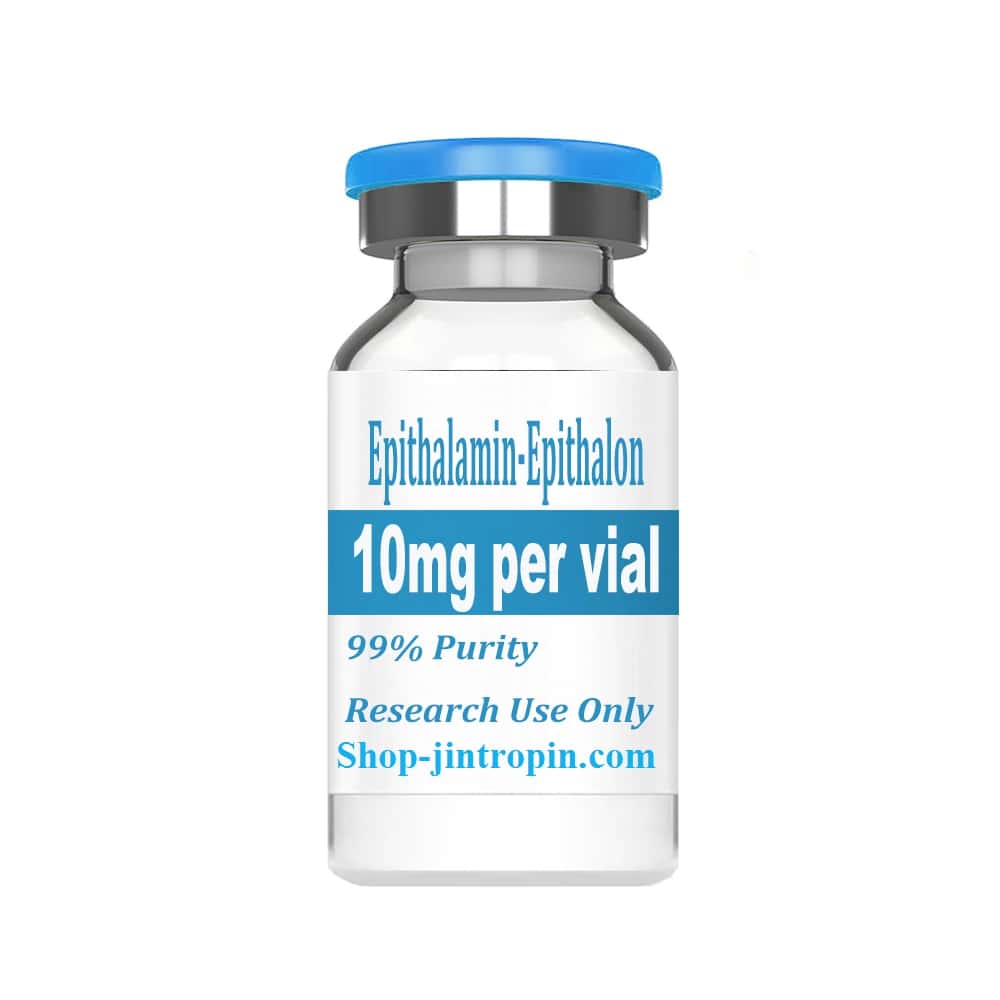
Epithalamin Epithalon 10mg*10vials*1kits – Best Eeffect Hiqh Purity Peptides Product
Original price was: $120.00.$95.00Current price is: $95.00.
Premium Epithalon for telomerase activation and telomere lengthening. Scientifically-proven cellular longevity enhancement with professional-grade quality and purity.
100% delivery
- Satisfaction Guaranteed
- No Hassle Refunds
- Secure Payments
Description
Epithalon is a significant tetrapeptide for telomerase activation and cellular longevity enhancement. This scientifically-proven telomere extension technology offers genuine cellular age reversal, backed by decades of longevity research. As a professional-grade synthetic peptide with an optimal safety profile and minimal side effects, Epithalon is well-suited for long-term anti-aging protocols.
What is Epithalon?
Epithalon is a synthetic 4-amino acid peptide with the sequence Ala-Glu-Asp-Gly and a molecular weight of 390 Da. Originally derived from the pineal gland peptide epithalamin by Dr. Vladimir Khavinson, its primary mechanism involves direct telomerase enzyme activation for cellular longevity. This pharmaceutical-grade peptide possesses proven cellular anti-aging properties validated through extensive research.
Epithalon Benefits and Effects
Epithalon delivers telomere lengthening and cellular age reversal through telomerase activation, alongside enhanced sleep quality, circadian rhythm regulation, and improved pineal gland function. It strengthens immune system function and increases resistance to oxidative stress. Users also experience enhanced skin quality, cognitive function, and neuroprotective effects, with potential longevity extension and comprehensive wellness optimization.
Epithalon Side Effects and Safety
Epithalon is generally well-tolerated with an excellent safety profile demonstrated in clinical studies. Mild injection site irritation and occasional initial fatigue have been reported, along with rare instances of mild nausea or temporary sleep pattern adjustments. No serious adverse effects have been documented in research studies, and the peptide is considered safe for long-term periodic cycling protocols.
Main Epithalon Use Cases
Epithalon is primarily used for cellular anti-aging and telomere extension for longevity enhancement. It supports sleep quality improvement and circadian rhythm optimization, immune system enhancement and oxidative stress resistance, and age-related cognitive decline prevention with neuroprotection. Comprehensive wellness and vitality optimization rounds out its primary applications.
Epithalon Dosage Guidelines
For anti-aging protocols, 5-10mg daily for 10-20 days per cycle is standard. Maintenance dosing involves 5mg daily for 10 days every 3-6 months. An intensive protocol calls for 10mg daily for 20 days twice yearly. For sleep enhancement specifically, 3-5mg before bedtime provides optimal results. Research applications may use variable dosing based on study parameters.
Epithalon Cycle Guidelines
The standard cycle runs 10-20 days of treatment followed by a 4-6 month rest period. An intensive protocol of 20 days on with 6-12 months off maximizes benefits. For maintenance, 10 days every 3-4 months sustains results. Continuous daily use should be avoided as periodic cycling is essential. Biomarker monitoring and timing adjustments support personalized optimization.
Epithalon Administration Guide
Subcutaneous injection in the abdomen or thigh provides optimal absorption. Evening administration before bedtime maximizes circadian benefits. Intramuscular injection is acceptable for enhanced bioavailability. Split dosing with morning and evening administration sustains consistent levels. Maintaining consistent timing optimizes circadian rhythm effects throughout the treatment cycle.
Epithalon Treatment Duration
Sleep improvement effects are typically noticeable within 5-10 days of cycle initiation. Full immune enhancement develops over 2-4 weeks of treatment. Cellular anti-aging benefits manifest over months of proper cycling, while long-term longevity outcomes require sustained periodic cycling for optimal results.
Epithalon Storage Instructions
Lyophilized powder stored at -20??C maintains stability for 2+ years. Reconstituted solutions should be refrigerated at 2-8??C and used within 2-3 weeks. Epithalon is a relatively stable peptide with excellent shelf life characteristics. Protection from light exposure and sterile handling conditions are essential, and bacteriostatic water should be used for multi-dose reconstitution and stability.
Why Choose Epithalon for Telomere Extension?
Epithalon is the only peptide with proven telomerase activation and telomere lengthening effects, supported by decades of scientific research backing its cellular longevity mechanisms. Its pharmaceutical-grade quality ensures maximum potency and purity, while the excellent safety profile with minimal side effects makes it suitable for long-term use.
Summary
Epithalon represents the most scientifically-advanced telomere extension technology available. Through proven telomerase activation, this significant peptide offers genuine cellular age reversal and longevity enhancement. With its excellent safety profile and decades of research validation, Epithalon is the optimal choice for serious cellular anti-aging protocols.
Epithalon FAQ
Q: How does Epithalon extend telomeres?
A: Direct telomerase enzyme activation lengthens telomeres and reverses cellular aging.
Q: What research supports its effectiveness?
A: Decades of Russian studies demonstrate telomere lengthening and longevity benefits.
Q: How often should cycles be performed?
A: 10-20 days every 3-6 months provides optimal safety and effectiveness.
You must be logged in to post a review.
Related products
-
Sale!
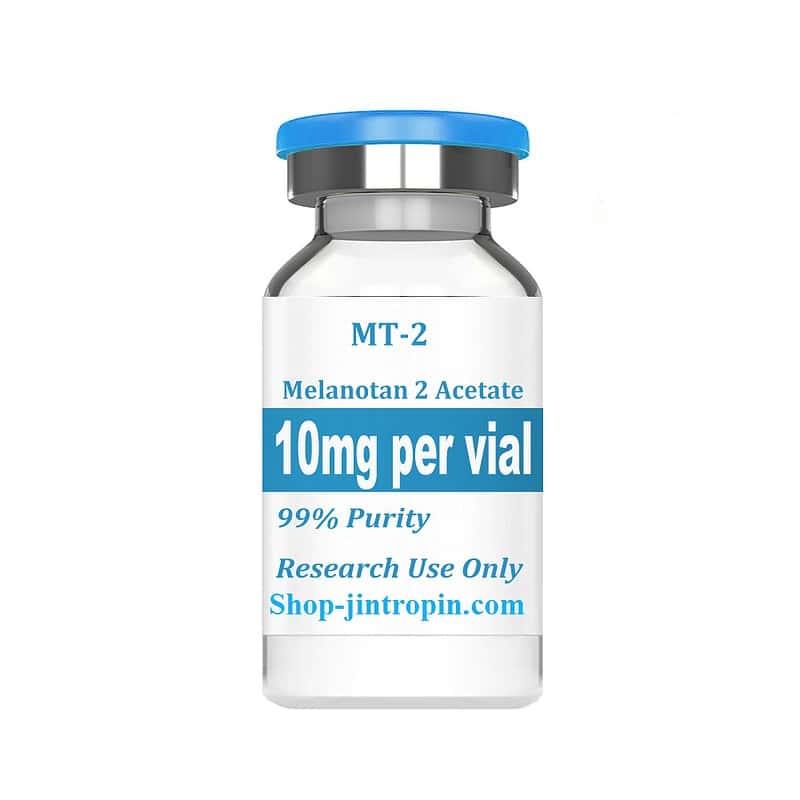
Melanotan II Acetate (MT-2)- 10mg * 10 vials * 1 kit
Original price was: $100.00.$85.00Current price is: $85.00. -
Sale!
Tesamorelin 10mg + Ipamorelin 5mg 10vials 1kits
Original price was: $500.00.$350.00Current price is: $350.00. -
Sale!
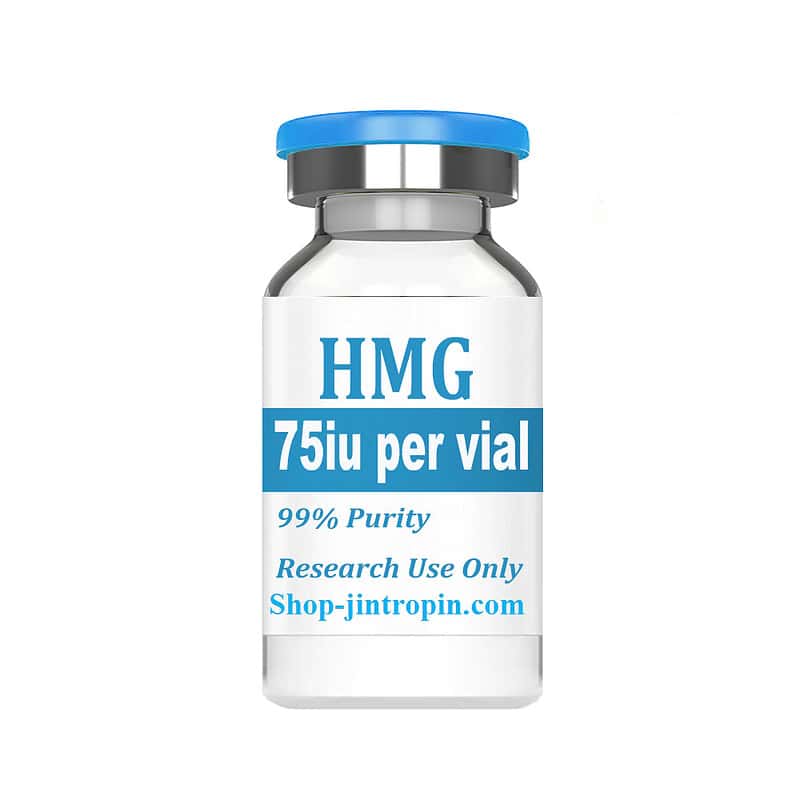
HMG 75IU*10vials*1kits – High Quality HMG Wholesale In Discount Price
Original price was: $110.00.$90.00Current price is: $90.00. -
Sale!
Ipamorelin 5mg*Vials-Best Eeffect Hiqh Purity Peptides Product
Original price was: $100.00.$80.00Current price is: $80.00.
Reviews
There are no reviews yet.