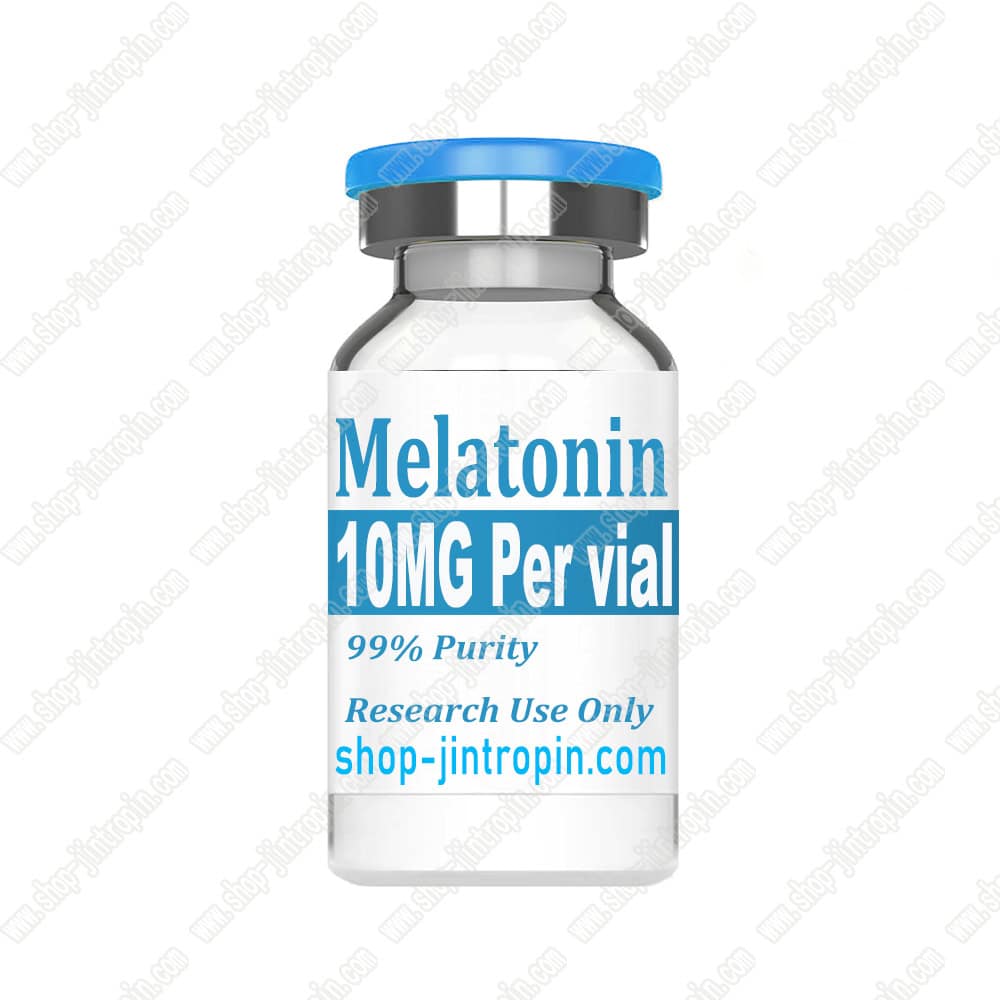
Melatonin 10mg 10 Vials
Original price was: $110.00.$90.00Current price is: $90.00.
Premium Melatonin for enhanced sleep quality, faster sleep onset, reduced nighttime awakenings, and comprehensive sleep cycle optimization.
100% delivery
- Satisfaction Guaranteed
- No Hassle Refunds
- Secure Payments
Description
Experience the advanced benefits of premium Melatonin supplementation designed for comprehensive sleep quality enhancement. This scientifically formulated hormone supplement works synergistically with your body’s natural circadian clock to deliver faster sleep onset, deeper sleep cycles, and improved overall sleep architecture. Clinical studies demonstrate significant improvements in sleep efficiency, reduced nighttime awakenings, and enhanced morning alertness for users seeking professional-grade sleep optimization.
What is Melatonin?
1. Endogenous Hormone: Naturally produced by the pineal gland in response to darkness signals
2. Circadian Regulator: Primary hormone responsible for synchronizing biological clock functions
3. Sleep Initiator: Triggers cascade of physiological changes that promote sleep readiness
4. Antioxidant Powerhouse: Provides cellular protection through potent free radical scavenging
5. Neurohormone: Crosses blood-brain barrier to directly influence sleep centers
6. Age-Related Decline: Natural production decreases significantly after age 40
7. Supplementation Benefits: Exogenous melatonin effectively replaces declining natural levels
8. Research Validated: Thousands of studies confirm safety and efficacy for sleep enhancement
Melatonin Benefits and Effects
1. Sleep Onset Acceleration: Reduces time to fall asleep by average of 7-12 minutes
2. Sleep Quality Enhancement: Increases deep sleep phases and overall sleep efficiency
3. Circadian Rhythm Synchronization: Realigns disrupted biological clock patterns
4. Nighttime Awakening Reduction: Decreases frequency of sleep interruptions
5. REM Sleep Optimization: Supports healthy dream cycles and memory consolidation
6. Jet Lag Mitigation: Accelerates adaptation to new time zones by 50%
7. Antioxidant Protection: Neutralizes free radicals and supports cellular health
8. Immune System Support: Enhances immune function through improved sleep quality
9. Neuroprotective Effects: May protect against age-related cognitive decline
10. Cardiovascular Benefits: Supports healthy blood pressure during sleep
Melatonin Side Effects and Safety
1. Minimal Side Effect Profile: Generally well-tolerated with low incidence of adverse effects
2. Daytime Drowsiness: May occur with inappropriate timing or excessive dosing
3. Mild Headache: Occasional and typically resolves with dose adjustment
4. Vivid Dreams: Temporary increase in dream intensity, usually positive
5. Nausea Risk: Rare digestive upset, minimized with proper dosing
6. Drug Interactions: Potential interactions with blood thinners and diabetes medications
7. Pregnancy Considerations: Avoid during pregnancy and breastfeeding
8. Autoimmune Precautions: Consult healthcare provider if immunocompromised
9. Age Restrictions: Children require medical supervision for use
10. Individual Sensitivity: Response varies; start with lowest effective dose
Main Melatonin Use Cases
1. Insomnia Treatment: Primary therapy for sleep initiation and maintenance disorders
2. Jet Lag Management: Rapid time zone adaptation for travelers
3. Shift Work Support: Circadian rhythm adjustment for irregular schedules
4. Age-Related Sleep Issues: Compensation for natural melatonin decline
5. Seasonal Affective Disorder: Circadian support during winter months
6. Sleep Quality Optimization: Enhancement for athletes and high-performance individuals
7. Stress-Induced Sleep Problems: Sleep restoration during high-stress periods
8. Recovery Support: Improved sleep during illness recovery or post-surgery
9. Cognitive Performance: Sleep-dependent memory consolidation and learning
10. Anti-Aging Protocols: Cellular protection and longevity support
Melatonin Dosage Guidelines
1. Starting Protocol: Begin with 0.5-1mg, 30-60 minutes before desired sleep time
2. Standard Sleep Support: 1-3mg for most adults seeking sleep improvement
3. Jet Lag Protocol: 0.5-5mg at destination bedtime for 3-5 days
4. Shift Work Dosing: 1.5-3mg before desired sleep period
5. Elderly Recommendations: 0.5-2mg (lower doses often more effective)
6. Sustained Release: 2-6mg for sleep maintenance issues
7. Micro-Dosing: 0.1-0.3mg for circadian fine-tuning
8. Maximum Dose: Generally not exceeding 10mg without medical supervision
9. Timing Critical: Consistency in administration time enhances effectiveness
10. Individual Titration: Adjust dose based on response over 1-2 weeks
Melatonin Cycle Guidelines
1. Short-Term Acute Use: 1-2 weeks for temporary sleep disruption
2. Jet Lag Cycles: 3-5 days maximum per time zone adjustment
3. Shift Work Periods: Throughout work period with regular assessment breaks
4. Seasonal Use: 3-4 months during winter for circadian support
5. Chronic Insomnia: 3-6 months under medical supervision with evaluation
6. Cycling Protocol: 5 days on, 2 days off to prevent tolerance
7. Assessment Points: Evaluate effectiveness every 2-4 weeks
8. Dose Holidays: Periodic breaks to assess continued need
9. Long-Term Monitoring: Medical supervision for extended use beyond 6 months
10. Gradual Discontinuation: Taper dose gradually rather than abrupt cessation
Melatonin Administration Guide
1. Optimal Timing: 30-60 minutes before intended sleep time for best results
2. Consistency Importance: Same time daily helps establish circadian rhythm
3. Empty Stomach: Take without food for faster and more predictable absorption
4. Light Avoidance: Minimize bright light exposure after administration
5. Sublingual Advantage: Under-tongue absorption bypasses first-pass metabolism
6. Liquid Formulations: Allow precise dose titration and faster onset
7. Extended-Release Timing: Take 60-90 minutes before sleep for sustained effect
8. Alcohol Interaction: Avoid alcohol which can interfere with effectiveness
9. Caffeine Considerations: No caffeine 4-6 hours before melatonin administration
10. Environmental Preparation: Create sleep-conducive environment before taking
Melatonin Treatment Duration
1. Acute Insomnia: 1-2 weeks for stress or situational sleep problems
2. Jet Lag Recovery: 3-5 days per time zone crossed
3. Shift Work Adaptation: Throughout shift period with regular evaluation
4. Chronic Sleep Disorders: 3-6 months with medical monitoring
5. Seasonal Support: 3-4 months during darker months for SAD
6. Effectiveness Timeline: Initial benefits within 1-3 days, full effects 2-4 weeks
7. Maintenance Therapy: Long-term use requires periodic assessment
8. Recovery Periods: 2-4 weeks for post-illness sleep pattern restoration
9. Performance Optimization: Ongoing use for athletes with medical guidance
10. Age-Related Decline: May require long-term replacement therapy in elderly
Melatonin Storage Instructions
1. Room Temperature Storage: Maintain between 15-25??C (59-77??F) for stability
2. Light Protection: Store in original dark container away from direct sunlight
3. Moisture Control: Keep in dry environment, avoid bathroom storage
4. Air Tight Sealing: Ensure container is tightly closed after each use
5. Refrigeration Needs: Liquid formulations may require refrigeration
6. Original Packaging: Maintain in manufacturer’s container with desiccant
7. Child Safety: Store in child-resistant containers away from children
8. Expiration Monitoring: Check dates regularly, typically 2-3 years shelf life
9. Quality Indicators: Discard if color, odor, or texture changes occur
10. Travel Considerations: Use travel-size containers for trip portability
Why Choose Melatonin for Sleep Enhancement?
1. Natural Mechanism: Works with existing biological processes rather than forcing sleep
2. Non-Addictive Profile: No physical dependence or withdrawal symptoms
3. Rapid Action: Quick onset with short half-life minimizes morning grogginess
4. Extensive Research: Thousands of studies confirm safety and efficacy
5. Versatile Applications: Effective for multiple sleep-related conditions
6. Minimal Side Effects: Generally well-tolerated across age groups
7. Cost-Effective: Affordable compared to prescription sleep medications
8. Additional Benefits: Antioxidant and immune support beyond sleep
9. Individual Customization: Flexible dosing allows personalized protocols
10. Quality Options: Available in various formulations for specific needs
Summary
Melatonin stands as the leading choice for natural sleep enhancement, offering scientifically proven benefits for sleep quality, circadian rhythm regulation, and overall wellness. Its unique position as both a natural hormone and potent supplement makes it an ideal solution for modern sleep challenges ranging from occasional insomnia to complex shift work disorders.
The advanced sleep quality enhancement achieved through proper melatonin supplementation includes faster sleep onset, improved sleep efficiency, reduced nighttime awakenings, and enhanced daytime alertness. These benefits extend beyond simple sleep improvement to include antioxidant protection, immune support, and potential anti-aging effects that contribute to comprehensive health optimization.
Success with melatonin requires understanding proper dosing, timing, and cycling protocols. Starting with low doses, maintaining consistency, and focusing on quality formulations maximizes benefits while minimizing potential side effects. Whether used for short-term sleep challenges or long-term health optimization, melatonin provides a safe, effective, and research-backed approach to better sleep and enhanced well-being.
Melatonin FAQ
Q: How quickly can I expect to see improvements with melatonin?
A: Most users notice improved sleep onset within 1-3 days. Full sleep quality benefits typically develop over 2-4 weeks of consistent use as circadian rhythms stabilize and optimize.
Q: What makes melatonin more effective than other sleep aids?
A: Melatonin works with your body’s natural sleep mechanisms rather than forcing sleep through sedation. It’s non-addictive, has fewer side effects, and provides additional health benefits beyond sleep improvement.
Q: Can I become dependent on melatonin for sleep?
A: No, melatonin does not cause physical dependence or addiction. However, psychological reliance can develop. Cycling protocols and gradual discontinuation help maintain natural sleep abilities.
Q: Is higher dose melatonin always more effective?
A: No, higher doses are not necessarily more effective. Many people find optimal results with 0.5-3mg. Doses above 5mg may actually be less effective and cause more side effects.
Q: How should I adjust melatonin timing for jet lag?
A: Take melatonin at your destination’s bedtime, not your home time. Start 1-2 days before travel if traveling east, or upon arrival if traveling west. Use for 3-5 days maximum.
You must be logged in to post a review.
Related products
-
Sale!

CJC-1295 Whitout DAC 10mg *10 Vials*1 Kit- Best Eeffect Hiqh Purity Peptides Product
Original price was: $260.00.$200.00Current price is: $200.00. -
Sale!

HMG 75IU*10vials*1kits – High Quality HMG Wholesale In Discount Price
Original price was: $110.00.$90.00Current price is: $90.00. -
Sale!
Sermorelin Acetate-5mg * 10 Vials * 1 kit
Original price was: $130.00.$110.00Current price is: $110.00. -
Sale!

GHRP-6 Acetate 5mg * 10 Vials * 1 Kit
Original price was: $60.00.$45.00Current price is: $45.00.
Reviews
There are no reviews yet.