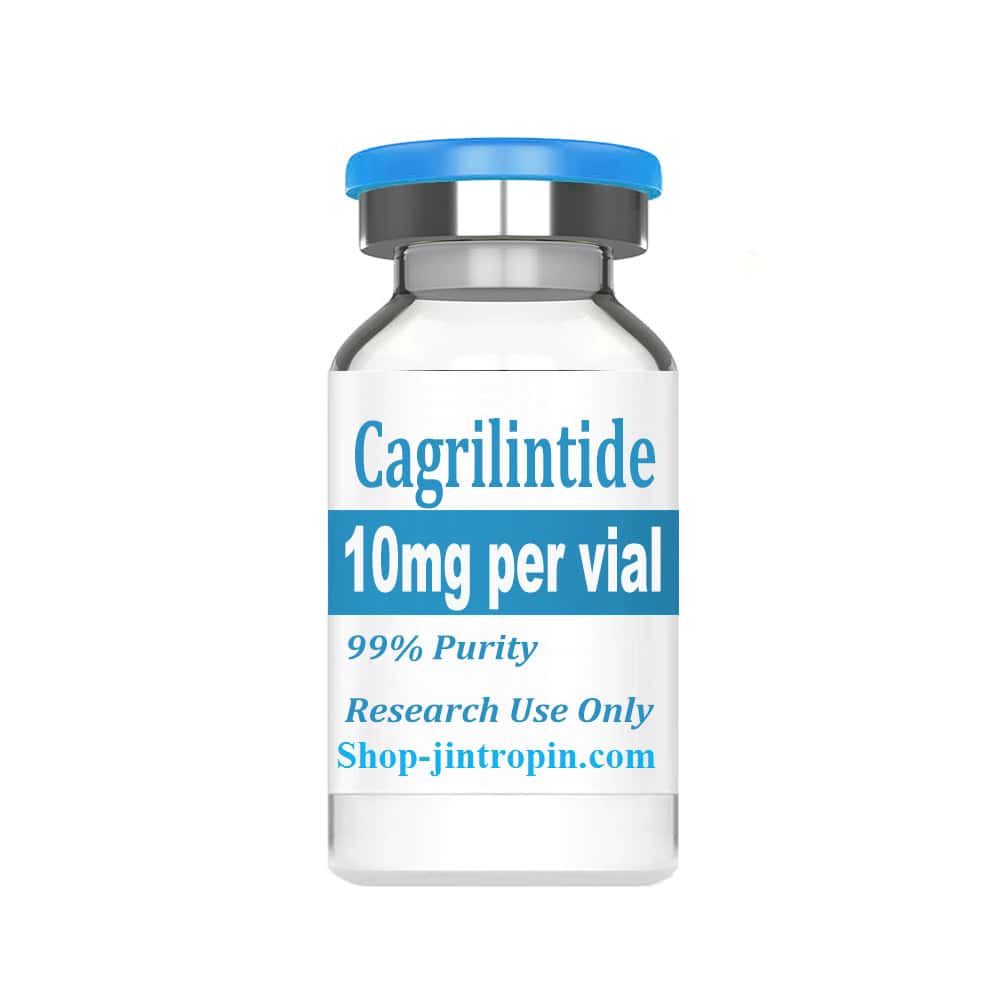
Cagrilintide Peptides 10mg 10Vials For Weight Loss
Original price was: $640.00.$230.00Current price is: $230.00.
Experience Cagrilintide’s dual-action formula for better weight management. Clinical-grade amylin receptor agonist with proven 11.8% weight reduction results.
100% delivery
- Satisfaction Guaranteed
- No Hassle Refunds
- Secure Payments
Description
Cagrilintide stands at the forefront of metabolic medicine as an advanced dual amylin and calcitonin receptor agonist. This new peptide therapy delivers strong results in both weight management and diabetes control, with clinical data showing notable 11.8% average weight reduction. Developed by leading pharmaceutical research, Cagrilintide offers a scientifically-proven approach to comprehensive metabolic health optimization.
What is Cagrilintide?
1. Advanced Peptide Technology: Cagrilintide is a sophisticated long-acting analogue of amylin, engineered for enhanced stability and prolonged therapeutic action compared to natural amylin hormones.
2. Dual Receptor Mechanism: Functions as both amylin and calcitonin receptor agonist, providing comprehensive metabolic regulation through multiple physiological pathways for better therapeutic outcomes.
3. Clinical Development: Currently advancing through Phase 2 clinical trials with Novo Nordisk, demonstrating strong efficacy in obesity treatment and type 2 diabetes management applications.
4. Molecular Design: Optimized peptide structure provides improved pharmacokinetics, allowing for convenient once-weekly dosing while maintaining consistent therapeutic levels throughout the treatment period.
5. Research Foundation: Based on extensive understanding of amylin physiology and metabolic regulation, representing years of advanced pharmaceutical research and development in peptide therapeutics.
Cagrilintide Benefits and Effects
1. strong Weight Loss: Clinical trials demonstrate 11.8% average body weight reduction compared to 2.3% with placebo, with 31.6% of participants achieving ??15% weight loss over 68 weeks.
2. Glucose Homeostasis: Significant improvements in glycemic control through enhanced insulin sensitivity, delayed gastric emptying, and improved beta-cell function in diabetic patients.
3. Appetite Regulation: potent central nervous system effects on satiety centers, leading to natural reduction in caloric intake without harsh stimulant-like side effects.
4. Metabolic Enhancement: Comprehensive metabolic improvements including better lipid profiles, reduced inflammatory markers, and enhanced overall metabolic flexibility and efficiency.
5. Cardiovascular Benefits: Potential cardiovascular risk reduction through weight loss, improved glucose control, and beneficial effects on metabolic syndrome components.
6. Sustained Results: Long-lasting therapeutic effects with maintained benefits throughout extended treatment periods, supporting long-term health and wellness goals.
Cagrilintide Side Effects and Safety
1. Clinical Safety Profile: Ongoing Phase 2 trials suggest favorable safety profile with most adverse events being mild to moderate and transient in nature.
2. Gastrointestinal Effects: Most common side effects include nausea, vomiting, and decreased appetite, typically occurring during initial treatment phases and diminishing with continued use.
3. Injection Site Reactions: Mild local reactions at injection sites may occur, including redness, swelling, or tenderness, usually resolving within 24-48 hours.
4. Hypoglycemia Risk: Potential for low blood glucose, especially when combined with other antidiabetic medications, requiring careful monitoring and possible dose adjustments.
5. Individual Variability: Side effect profiles may vary among individuals based on underlying health status, concurrent medications, and individual sensitivity factors.
Main Cagrilintide Use Cases
1. Clinical Obesity Management: Primary treatment for individuals with BMI ??30 kg/m? seeking significant, sustained weight loss through advanced pharmaceutical intervention.
2. Type 2 Diabetes Control: Effective glycemic management in diabetic patients, particularly those with concurrent obesity requiring dual metabolic intervention approaches.
3. Metabolic Syndrome Treatment: Comprehensive approach to metabolic syndrome components including insulin resistance, dyslipidemia, and central obesity management.
4. Combination Therapy Protocols: Enhanced efficacy when combined with semaglutide (CagriSema) for patients requiring maximum therapeutic intervention for severe obesity or diabetes.
5. Pre-diabetes Prevention: Potential use in high-risk individuals for preventing progression from pre-diabetes to type 2 diabetes through weight management and metabolic optimization.
Cagrilintide Dosage Guidelines
1. Standard Therapeutic Dose: Clinical trials utilize 2.4 mg administered once weekly via subcutaneous injection for optimal therapeutic outcomes and patient compliance.
2. Initiation Protocol: Begin with lower starting doses (0.6-1.2 mg) and gradually escalate over 4-8 weeks to minimize gastrointestinal side effects and improve tolerability.
3. Maintenance Dosing: Continue 2.4 mg weekly dose for sustained therapeutic benefits, with potential adjustments based on individual response and tolerance factors.
4. Special Populations: Dose modifications may be required for patients with renal impairment, hepatic dysfunction, or other medical conditions affecting drug metabolism.
5. Response Monitoring: Regular assessment of weight loss progress, glycemic control, and adverse events guides dose optimization throughout the treatment period.
Cagrilintide Cycle Guidelines
1. Continuous Treatment Approach: Unlike traditional cycling protocols, Cagrilintide is designed for continuous long-term use to maintain therapeutic benefits and prevent weight regain.
2. Extended Treatment Periods: Clinical studies support treatment durations of 68 weeks or longer, with ongoing evaluation of extended use for sustained metabolic benefits.
3. Treatment Interruption: Temporary discontinuation may result in weight regain and loss of metabolic improvements, supporting the need for consistent, ongoing therapy.
4. Monitoring Schedule: Regular assessments every 4-12 weeks initially, transitioning to longer intervals once stable therapeutic response is achieved and maintained.
5. Long-term Planning: Treatment plans should consider long-term metabolic goals, lifestyle modifications, and ongoing medical supervision for optimal outcomes.
Cagrilintide Administration Guide
1. Injection Technique: Subcutaneous injection using standard insulin injection techniques, rotating sites between abdomen, thigh, and upper arm to prevent lipodystrophy.
2. Weekly Scheduling: Administer on the same day each week for consistency, can be given at any time of day with or without food for flexible dosing.
3. Preparation Steps: Allow refrigerated product to reach room temperature before injection, follow proper reconstitution procedures if using powder formulations.
4. Sterile Technique: Use proper aseptic technique, dispose of needles and syringes safely, and maintain clean injection sites to prevent complications.
5. Patient Education: Comprehensive training on proper injection techniques, site rotation, and recognition of potential complications ensures safe and effective administration.
Cagrilintide Treatment Duration
1. Initial Response Phase (4-12 weeks): Early therapeutic responses include appetite reduction, initial weight loss, and improved glucose control as treatment effects establish.
2. Active Weight Loss Period (12-52 weeks): Significant weight reduction occurs during this phase, with most patients achieving substantial portions of their total weight loss goals.
3. Maintenance Phase (52+ weeks): Long-term treatment maintains achieved weight loss and metabolic improvements, with ongoing monitoring for sustained therapeutic benefits.
4. Indefinite Treatment: Some patients may require indefinite treatment to maintain metabolic benefits, similar to other chronic disease management approaches.
5. Individualized Planning: Treatment duration varies based on patient response, goals, tolerance, and overall health status requiring personalized medical supervision.
Cagrilintide Storage Instructions
1. Refrigerated Storage: Maintain at 2-8??C (36-46??F) in original packaging, protected from light and freezing temperatures that could compromise product integrity.
2. In-Use Handling: Once opened or reconstituted, use within specified timeframes (typically 28 days) while maintaining proper refrigeration for product stability.
3. Transport Considerations: Use appropriate cooling systems during transport, allowing gradual temperature equilibration before injection to prevent discomfort.
4. Quality Control: Inspect product before each use for particles, discoloration, or other changes that might indicate compromise of product quality or sterility.
5. Disposal Guidelines: Properly dispose of expired products according to pharmaceutical waste guidelines, never use products beyond expiration dates.
Why Choose Cagrilintide for Diabetes Control?
1. Dual-Action Mechanism: Unique combination of amylin and calcitonin receptor activity provides comprehensive metabolic regulation better to single-pathway interventions.
2. Clinical Validation: Robust Phase 2 clinical trial data demonstrates strong efficacy with 11.8% weight loss and significant glycemic improvements.
3. Convenient Administration: Once-weekly injection schedule improves patient compliance compared to daily medications while maintaining consistent therapeutic levels.
4. Comprehensive Benefits: Addresses multiple aspects of metabolic dysfunction including weight management, glucose control, and cardiovascular risk factors simultaneously.
5. Innovation Leadership: Represents modern pharmaceutical development in metabolic medicine, offering access to advanced therapeutic approaches.
Summary
Cagrilintide represents a significant advancement in metabolic medicine, offering unprecedented therapeutic outcomes through its new dual receptor agonist mechanism. Clinical trials demonstrate strong efficacy with 11.8% average weight loss and significant metabolic improvements, positioning Cagrilintide as a leading solution for comprehensive diabetes and weight management. The convenient once-weekly dosing schedule, combined with its better safety profile and sustained therapeutic benefits, makes Cagrilintide an optimal choice for individuals seeking advanced, science-based metabolic health solutions. As clinical development continues, Cagrilintide promises to transform treatment approaches for obesity and diabetes management.
Cagrilintide FAQ
Q: How does Cagrilintide compare to semaglutide?
A: Cagrilintide offers dual amylin and calcitonin receptor activity compared to semaglutide’s GLP-1 mechanism, providing complementary metabolic benefits that can be combined for enhanced therapeutic outcomes.
Q: What is the typical timeline for Cagrilintide results?
A: Initial appetite and glucose effects occur within days to weeks, with significant weight loss developing over 12-24 weeks and peak benefits achieved by 52-68 weeks of treatment.
Q: Can I stop Cagrilintide treatment once I reach my weight goal?
A: Discontinuation typically leads to weight regain and loss of metabolic benefits. Long-term or indefinite treatment may be necessary to maintain therapeutic outcomes.
Q: Is Cagrilintide suitable for type 1 diabetes?
A: Current clinical development focuses on type 2 diabetes and obesity. Type 1 diabetes applications would require separate clinical evaluation and regulatory approval.
Q: What monitoring is required during Cagrilintide treatment?
A: Regular monitoring includes weight tracking, glucose levels, metabolic markers, and assessment for adverse events, typically every 4-12 weeks initially.
Q: How is Cagrilintide different from traditional weight loss medications?
A: Cagrilintide targets natural metabolic pathways through amylin receptor agonism, providing physiological appetite and glucose regulation without stimulant effects.
Q: Can Cagrilintide be used with insulin therapy?
A: Potential combination with insulin requires careful monitoring for hypoglycemia risk. Consult healthcare providers for appropriate dose adjustments and monitoring protocols.
Q: What happens if I miss a Cagrilintide injection?
A: Administer as soon as possible within 3-4 days, then resume regular weekly schedule. If more than 4 days late, skip the missed dose and continue with next scheduled injection.
Related products
-
Sale!
EPO 3000iu injection Powder -High Quality EPO Wholesale In Discount Price
Original price was: $150.00.$140.00Current price is: $140.00. -
Sale!
IGF-1 LR3 – 1mg * 10 Vials * 1 Kit
Original price was: $500.00.$285.00Current price is: $285.00. -
Sale!
Tirzepatide 5mg 10vials 1kit For Weight Loss
Original price was: $190.00.$80.00Current price is: $80.00. -
Sale!
Ipamorelin 5mg*Vials-Best Eeffect Hiqh Purity Peptides Product
Original price was: $100.00.$80.00Current price is: $80.00.