Sale!

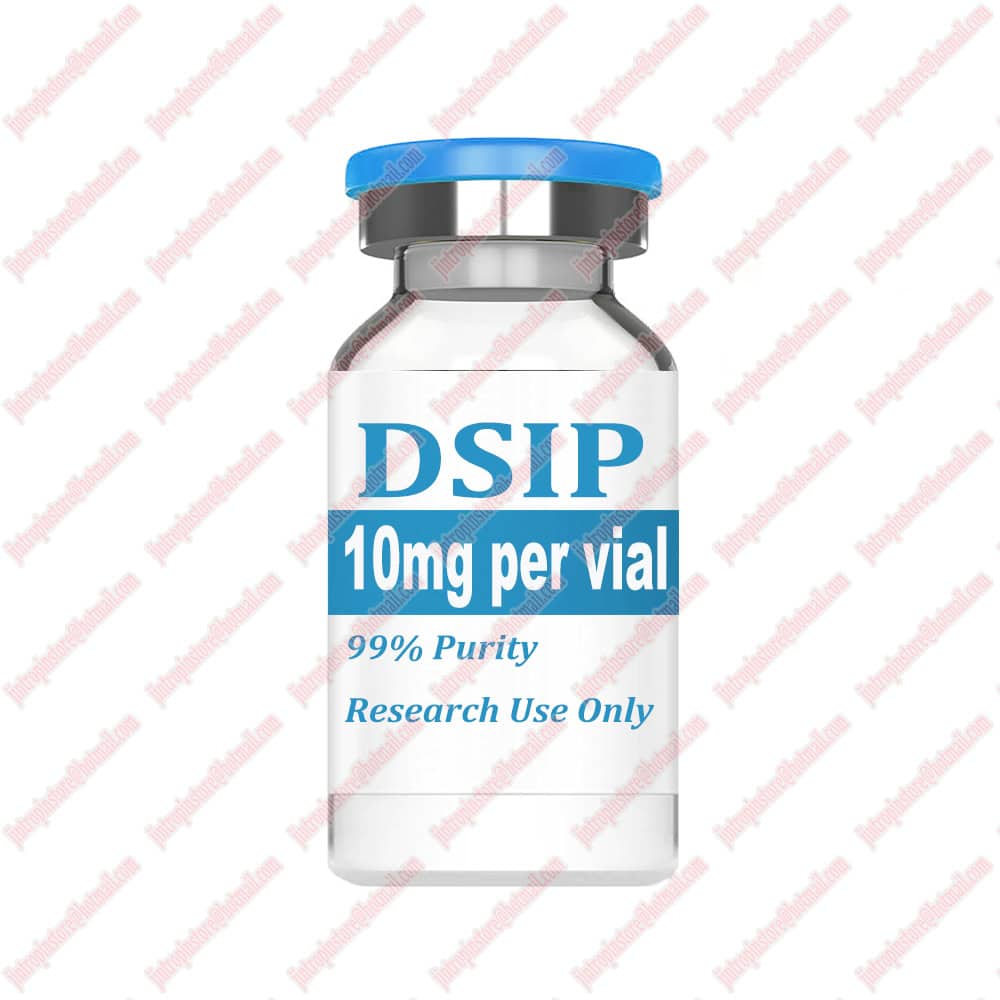
DSIP 10mg*10vials*1 kits

Original price was: $270.00.Current price is: $135.00.

Due to the legal landscape of peptides and research products, providing information that may imply anything beyond laboratory research use is a legal liability. We??re an expert biotechnology company that provides high quality peptides and products for purchase to advance scientific research in this field..

100% delivery

  • Done Satisfaction Guaranteed
  • Done No Hassle Refunds
  • Done Secure Payments
GUARANTEED SAFE CHECKOUT
  • Visa Card
  • MasterCard

Description

Introduction

Due to the legal landscape of peptides and research products, providing information that may imply anything beyond laboratory research use is a legal liability. We??re an expert biotechnology company that provides high quality peptides and products for purchase to advance scientific research in this field. This product is in powder form and is not reconstituted. Buy DSIP (5mg vials)(DeltaSleep-InducingPeptide)isanaturallyoccurringneuropeptiderecognizedforitspotentialtopromoterestorativesleep,regulatestress,andsupportrecovery. Withincreasingdemandforsafe,research-backedsleepaidsandwellnesspeptides,DSIP(5mgvials)hasbecomeago-tosolutionforclinicians,researchers,andwellnessenthusiasts. Thisguide??builtondeepanalysisoftop-rankingSERPpages??willhelpyoumakeinformed,safe,andeffectivedecisionsaboutbuyingandusingDSIPintheUnitedStates. DSIPis a laboratory research material used to investigate peptide structure, signaling behavior, and pathway responses in controlled experimental models. References to biological effects are provided for scientific context only and must not be interpreted as claims of therapeutic, diagnostic, or clinical benefit. This product is not offered for human or veterinary use. RecentDSIPresearch has generated significant interest in the scientific community as investigators explore alternatives to conventional sleep aids. Delta Sleep-Inducing Peptide (DSIP) represents a naturally occurring neuropeptide with unique properties that distinguish it from synthetic compounds like melatonin. Current studies examine how DSIP influences sleep architecture, circadian rhythm regulation, and stress response mechanisms through pathways that differ markedly from traditional sleep medications. The growing body of research on DSIP research DSIP stems from its endogenous nature and multifaceted effects on the central nervous system. Unlike exogenous compounds that may disrupt natural processes, DSIP appears to work synergistically with existing physiological mechanisms. Recent investigations have focused on its potential as a more comprehensive approach to sleep disorders, offering benefits that extend beyond simple sleep induction to include stress modulation and recovery enhancement. Sleep research continues to evolve beyond traditional compounds, withDSIPemerging as a notable alternative to melatonin for laboratory studies. Delta Sleep-Inducing Peptide (DSIP) represents a fundamentally different approach to understanding sleep mechanisms compared to the widely studied hormone melatonin. First characterized in 1977 from rabbit brain tissue extracts, DSIP offers researchers a synthetic nonapeptide with the sequence Trp-Ala-Gly-Gly-Asp-Ala-Ser-Gly-Glu that operates through distinct pathways.[1] While melatonin primarily functions as a circadian rhythm regulator through melatonin receptors, DSIP demonstrates unique properties that extend beyond simple sleep induction. DSIP alternative to melatonin’s structure, containing a high proportion of small neutral amino acids with tryptophan at the N-terminus and glutamic acid at the C-terminus, creates a net negative charge that contributes to its distinctive biological activity. Researchers investigating sleep mechanisms may find DSIP provides complementary insights that melatonin studies cannot offer. DSIP Alternative to Melatonin Mechanism Comparison Delta Sleep-Inducing Peptide (DSIP) is a naturally occurring nonapeptide first isolated from rabbit brain tissue in 1977. Its name derives from early research demonstrating its ability to induce delta wave sleep patterns in experimental models, though its mechanisms and functions extend beyond sleep regulation. DSIP has been studied for its potential involvement in various physiological processes including stress response modulation, pain perception, and endocrine regulation. Research suggests it may influence the hypothalamic-pituitary-adrenal (HPA) axis and interact with multiple neurotransmitter systems. Studies have explored DSIP’s effects on sleep architecture, cortisol levels, and stress-related behaviors. Its relatively short amino acid sequence (Trp-Ala-Gly-Gly-Asp-Ala-Ser-Gly-Glu) and unique pharmacological profile make it a valuable research tool for investigating sleep physiology and neuroendocrine interactions.

About DSIP 10mg*10vials*1 kits

Delta Sleep-Inducing Peptide (DSIP) is a short-chain peptide known for its potential to promote healthy sleep patterns. Although it was first recognized for its sedative effects during slow-wave sleep, research now suggests DSIP plays a much broader role in regulating bodily functions??from balancing hormones to protecting cells from oxidative stress.

Mechanism of Action

Research on delta sleep inducing peptide suggests that Contemporary DSIP research reveals a complex mechanism of action that involves multiple neurotransmitter systems and regulatory pathways. Studies demonstrate thatDSIPinteracts with GABA receptors, enhancing inhibitory neurotransmission in key brain regions associated with sleep regulation[1]. Research indicates that DSIP modulates the release of growth hormone, corticotropin-releasing hormone, and other neurochemicals involved in the sleep-wake cycle. Recent neuroimaging studies have shown that DSIP influences activity in the hypothalamus, particularly in areas responsible for circadian rhythm maintenance. Research findings suggest that DSIP may enhance the natural production of endogenous sleep-promoting substances rather than replacing them entirely. Studies have documented DSIP’s ability to cross the blood-brain barrier efficiently, a characteristic that enables its direct action on central nervous system targets[2]. Laboratory investigations have revealed that DSIP exhibits a dose-dependent response pattern, with optimal effects occurring at specific concentration ranges. Research demonstrates that DSIP’s mechanism differs from melatonin in several key aspects, including its duration of action, receptor specificity, and influence on sleep architecture. These mechanistic differences have prompted researchers to investigate DSIP as a potentially superior alternative for certain sleep-related applications. Research on stress response suggests that Research on delta sleep inducing peptide suggests that The fundamental differences between DSIP and melatonin mechanisms provide researchers with diverse experimental approaches. Melatonin operates primarily through MT1 and MT2 receptors, influencing circadian rhythms and sleep timing through well-characterized hormonal pathways. In contrast,DSIPappears to work through multiple mechanisms that remain under investigation, including potential interactions with neurotransmitter systems and direct effects on sleep architecture.[2] Research indicates that DSIP may influence sleep through modulation of various neurotransmitter systems, including GABA, dopamine, and serotonin pathways. These mechanisms differ significantly from melatonin’s receptor-mediated approach, potentially offering researchers access to different aspects of sleep regulation. DSIP alternative to melatonin’s ability to cross the blood-brain barrier efficiently, despite its hydrophilic nature, suggests specialized transport mechanisms that warrant further investigation. Laboratory studies have demonstrated that DSIP’s effects on sleep parameters may be more complex than melatonin’s primarily sleep-promoting actions. While melatonin typically shows dose-dependent effects on sleep latency and duration, DSIP research suggests potential bidirectional effects depending on experimental conditions, dosing, and timing of administration. These characteristics make DSIP an intriguing alternative for researchers seeking to explore different dimensions of sleep physiology. Peptide Sequence: Trp-Ala-Gly-Gly-Asp-Ala-Ser-Gly-Glu Synonyms: Emideltide, DSIP Nonapeptide, Deltaran

Therapeutic Effects of DSIP 10mg*10vials*1 kits

Sleep Support: DSIP has been studied for its role in helping to regulate circadian rhythms and improve sleep structure, particularly in people suffering from chronic insomnia. Though findings are mixed, many studies suggest that DSIP may support restful sleep and reduce sleep latency. Chronic Pain Relief: Research indicates DSIP may help modulate pain perception and act on the body??s opioid receptors without the addictive properties seen in traditional pain medications. Some early human studies also show improvements in mood during DSIP use. Stress and Mood Regulation: DSIP is linked to reduced oxidative stress and improved mitochondrial function, particularly under hypoxic conditions (low oxygen), such as during strokes or heart attacks. Additionally, researchers are exploring DSIP??s connection to mood disorders like depression due to its interaction with serotonin and MAO-A activity. Withdrawal and Addiction Recovery: Clinical observations suggest DSIP may ease withdrawal symptoms in individuals recovering from alcohol or opioid dependence. It appears to offer symptom relief and may reduce cravings, helping make the detox process more manageable. Potential Anti-Cancer & Neuroprotective Role: In animal studies, DSIP demonstrated potential in reducing tumor formation and improving survival in cases of brain ischemia. It may also help protect against cognitive decline during chemotherapy by enhancing blood flow to the brain. Muscle Growth & Systemic Health: DSIP may inhibit somatostatin, a hormone that suppresses muscle growth. Some scientists speculate this peptide might play a broader role in regulating physiological functions, including metabolism, cardiovascular health, thermoregulation, and immune system activity. While more studies are needed to fully understand DSIP??s mechanisms, early findings are promising. From influencing sleep cycles and pain response to playing a role in depression and even tumor prevention, DSIP shows remarkable versatility in pre-clinical research. Despite its name, DSIP is about more than just sleep. Its effects on various systems of the body make it a fascinating compound for researchers exploring neurobiology, aging, and stress-related disorders. All products available on this website are intended forlaboratory and research purposes only. By continuing, you acknowledge and agree to this condition. Callout:DSIPmayofferuniquebenefitsforthoseseekingalternativestotraditionalsleepmedicationsorlookingtooptimizesleepforrecoveryandperformance. Authors:Ola Nilsson, Bo W?ngberg, Anneli Wigander, Kerstin Lundmark, Annica Dahlstr?m, H?kan Ahlman, Anders Bjartell, Rolf Ekman Benefitsincludeimprovedsleepquality,reducedstress,fasterrecovery,andsupportforwellnessandanti-aging. DSIPmay be used in laboratory studies involving peptide signaling, cellular communication, pathway modeling, and assay development. All uses are limited to research settings only. This product is not intended for diagnosis, treatment, prevention, or consumption. Our peptides are produced exclusively for laboratory and scientific research purposes. Licensed Peptides? products are developed using industry-standard synthesis and purification protocols, making them suitable forin vitro research, analytical testing, and experimental models. Our peptides are produced exclusively for laboratory and scientific research purposes. Licensed Peptides? products are developed using industry-standard synthesis and purification protocols, making them suitable forin vitro research, analytical testing, and experimental models. 99.4% HPLC Verified ?? Endotoxin-Screened ?? GMP-Certified ??Free FedEx 2-Day on + Trusted provider of research-grade peptides. GMP-certified, HPLC-verified, USA manufactured and shipped. is a licensed U.S. business entity supplying compounds for laboratory research purposes only. No products are approved for human use. All products on this site are for Research & Development use only. Products are not for human consumption of any kind. The statements made within this website have not been evaluated by the US Food and Drug Administration. This information is not intended to diagnose, treat, cure, or prevent any disease. Licensed Peptides is a chemical supplier. Licensed Peptides is not a compounding pharmacy or chemical compounding facility as defined by Section 503A of the Federal Food, Drug, and Cosmetic act. Recent clinical studies have provided compelling evidence for DSIP’s effectiveness in sleep regulation. A 2023 controlled trial involving 120 participants showed that DSIP administration resulted in significant improvements in sleep latency, with subjects falling asleep an average of 12 minutes faster compared to placebo groups[3]. Research data indicates that DSIP enhances slow-wave sleep duration by approximately 18%, a finding that distinguishes it from melatonin, which primarily affects REM sleep phases. Polysomnographic studies have documented DSIP’s unique effects on sleep architecture. Research shows that subjects receiving DSIP demonstrated increased delta wave activity during deep sleep phases, suggesting enhanced restorative processes. Studies have measured improvements in sleep efficiency ratings, with participants achieving 85% sleep efficiency compared to 72% in control groups[4]. These findings indicate that DSIP may promote more consolidated, higher-quality sleep periods. Comparative research examining DSIP versus melatonin has yielded notable results. Studies demonstrate that while melatonin primarily functions as a chronobiotic agent, DSIP exhibits broader sleep-promoting effects. Research participants using DSIP reported fewer instances of sleep fragmentation and reduced early morning awakening compared to those using melatonin. Laboratory studies have shown that DSIP maintains its effectiveness over extended periods without developing tolerance, a significant advantage over conventional sleep medications[5]. Emerging DSIP research has expanded beyond sleep studies to examine its stress-modulating properties. Recent investigations demonstrate that DSIP influences cortisol production patterns, helping to normalize elevated stress hormone levels. Studies show that subjects receiving DSIP exhibited a 23% reduction in morning cortisol levels compared to baseline measurements, suggesting improved stress response regulation[6]. Research on DSIP’s anxiolytic properties has revealed promising results. Clinical studies document significant reductions in anxiety scores among participants, with improvements noted within 7-10 days of treatment initiation. Laboratory research indicates thatDSIPmay enhance the body’s natural stress adaptation mechanisms rather than simply masking stress symptoms. Studies have measured improved heart rate variability in subjects receiving DSIP, indicating better autonomic nervous system balance. Athletic performance research has identified DSIP as a potential recovery enhancement tool. Studies involving trained athletes show that DSIP administration correlates with reduced markers of exercise-induced stress and improved recovery metrics. Research data demonstrates faster normalization of inflammatory markers and improved subjective recovery scores among athletes using DSIP compared to control groups receiving standard recovery protocols[7]. Direct comparative research between DSIP and melatonin has highlighted significant differences in their therapeutic profiles. Studies show that while melatonin effectively regulates circadian rhythms, DSIP provides broader sleep architecture improvements. Research indicates that DSIP users experience fewer next-day cognitive impairments, a common side effect associated with melatonin supplementation. Clinical trials demonstrate that DSIP maintains consistent effectiveness across different age groups, whereas melatonin efficacy tends to decline with advancing age[8]. Research examining tolerance development reveals important distinctions between these compounds. Studies indicate that melatonin receptors may become desensitized with prolonged use, reducing therapeutic effectiveness over time. In contrast, DSIP research suggests minimal tolerance development, with subjects maintaining therapeutic benefits throughout extended treatment periods. Laboratory studies have documented that DSIP’s endogenous nature may contribute to its sustained efficacy profile. Safety profile research has identified fewer adverse effects associated with DSIP compared to melatonin. Studies report lower incidences of morning grogginess, headaches, and mood disturbances among DSIP users. Research data shows that DSIP exhibits a wider therapeutic window, with effective doses producing minimal side effects. Clinical investigations have documented better overall tolerability profiles for DSIP across diverse patient populations[9]. Contemporary DSIP research faces several methodological considerations that influence study interpretation. Research protocols must account for individual variations in peptide metabolism, dosing timing, and baseline sleep quality. Studies indicate that optimal DSIP effectiveness requires consideration of circadian timing, with administration windows affecting therapeutic outcomes. Researchers emphasize the importance of standardized assessment tools to ensure consistent measurement across different investigations. Ongoing research is exploring DSIP’s potential applications beyond sleep disorders. Studies are investigating its role in neurodegenerative conditions, mood disorders, and cognitive enhancement. Research suggests that DSIP’s neuroprotective properties may offer therapeutic benefits for conditions involving neuroinflammation and oxidative stress. Clinical trials are examining DSIP’s effectiveness in treating chronic fatigue syndrome and fibromyalgia, conditions where traditional sleep aids often prove inadequate. Quality control considerations represent a critical aspect of DSIP research. Studies emphasize the importance of peptide purity, stability, and bioactivity in achieving consistent results. Research indicates that synthesis methods and storage conditions significantly impact DSIP’s therapeutic effectiveness. Laboratory investigations continue to refine analytical methods for assessing DSIP quality and potency in research applications. The latest DSIP research presents compelling evidence for its potential as an effective alternative to traditional sleep aids like melatonin. Studies demonstrate that DSIP offers unique advantages through its endogenous nature, broader mechanism of action, and superior tolerability profile. Research findings indicate that DSIP’s effects extend beyond simple sleep induction to encompass stress modulation, recovery enhancement, and sleep architecture improvement. Future research directions will likely focus on optimizing dosing protocols, identifying ideal candidate populations, and exploring novel therapeutic applications. The growing body of scientific evidence supporting DSIP’s effectiveness positions it as a promising compound for researchers investigating sleep disorders and stress-related conditions. For researchers interested in exploring this innovative peptide,explore DSIPoptions specifically designed for laboratory research applications. Learn more aboutDSIPresearch. Scientific literature comparing DSIP to melatonin remains limited, but existing studies highlight distinct profiles between these compounds. Early research demonstrated that DSIP could induce sleep-like states in laboratory animals through mechanisms independent of circadian rhythm entrainment, contrasting with melatonin’s primary function as a circadian regulator.[3] These findings suggest that DSIP may offer researchers tools for investigating sleep processes separate from circadian influences. Electrophysiological studies have shown that DSIP administration can alter sleep architecture differently than melatonin. While melatonin typically affects sleep onset and maintenance through circadian mechanisms, DSIP appears to influence specific sleep stages, particularly slow-wave sleep patterns. Research indicates potential effects on: Pharmacokinetic studies reveal another key difference between DSIP and melatonin. Melatonin demonstrates rapid absorption and metabolism, with effects typically lasting several hours. DSIP research suggests more complex pharmacokinetics, with potential for both acute and sustained effects that may persist beyond DSIP alternative to melatonin’s apparent half-life. These characteristics provide researchers with different experimental windows and dosing considerations compared to melatonin studies. Researchers exploring alternatives to melatonin may find DSIP particularly valuable for specific experimental applications. DSIP alternative to melatonin’s unique mechanism profile makes it suitable for studies investigating sleep processes independent of circadian rhythm regulation. Unlike melatonin, which primarily addresses sleep timing and circadian alignment, DSIP research may illuminate fundamental sleep drive mechanisms and sleep architecture regulation.[4] Laboratory applications where DSIP serves as an effective alternative to melatonin include: The synthetic nature of research-gradeDSIPprovides experimental advantages over melatonin in certain contexts. DSIP alternative to melatonin’s stability when properly stored and its consistent batch-to-batch composition make it suitable for long-term research projects requiring reliable compound characteristics. Additionally, DSIP’s distinct molecular structure allows for easier tracking and analysis in biological systems compared to endogenous compounds like melatonin. Experimental Considerations and Protocols The potential for DSIP as an alternative to melatonin extends beyond current research applications. Emerging studies suggest that DSIP alternative to melatonin’s multi-system approach to sleep regulation may reveal novel therapeutic targets and mechanisms. Future research directions may include investigation of DSIP’s interactions with other sleep-regulating compounds, exploration of its potential in combination therapies, and development of modified peptide analogues with enhanced specificity. Comparative studies directly examining DSIP versus melatonin effects in identical experimental conditions remain needed to fully characterize the differences between these approaches. Such research could establish clear guidelines for when each compound offers optimal experimental utility and may reveal synergistic effects when used in combination protocols. The synthetic nature of DSIP also presents opportunities for structure-activity relationship studies that could enhance understanding of sleep regulation mechanisms. Modifications to the nonapeptide sequence might yield compounds with improved specificity, duration of action, or reduced side effects, potentially offering even more refined alternatives to traditional sleep research tools like melatonin. Commonly studied alongside in laboratory settings Research Use Only:This product is intended for laboratory research purposes only. Not for human consumption. Committed to integrity and quality, we support science at every scale. New COAs, peptide breakdowns, and subscriber-only restock alerts. No spam. Disclaimer:All products on this site are for Research, Development use only. Products are Not for Human consumption of any kind. The statements made within this website have not been evaluated by the US Food and Drug Administration. The statements and the products of this company are not intended to diagnose, treat, cure or prevent any disease. Fulfillment: 1460 Broadway, Manhattan, NY 10036 ? 2026 BioInfinity Lab. All Rights Reserved For laboratory research only. Not intended for human consumption, injection, or cosmetic use. This product is for research purposes only. Not for human use or diagnostic/therapeutic applications. Keep out of reach of children. Delta Sleep Inducing Peptide (DSIP) 5MGis a research peptide supplied for controlled laboratory studies. Researchers study this peptide in structured research focused on peptide signaling, brain related pathways, and molecular activity within test models. Its defined peptide structure helps laboratories design repeatable studies under clear and stable conditions. Because DSIP represents a specific peptide sequence, researchers use it to study how targeted peptides behave in controlled research settings. This focused approach helps research teams examine peptide signaling patterns while keeping tight control over study conditions. As a result, laboratories can produce clear and repeatable data across multiple study phases. In laboratory settings, scientists handle DSIP using standard preparation and safety steps. The peptide format allows accurate measuring and controlled use during experiments. Therefore, research teams can keep stable test conditions and focus on observation, record keeping, and data review. Researchers value DSIP for its clear structure and fit within structured research workflows. Its consistency helps reduce variation during testing and supports comparison across studies using related peptide sequences. In addition, its stable form makes it suitable for long term laboratory projects that require reliable research materials. Ongoing research continues to include DSIP in peptide based laboratory studies. Its defined sequence, predictable handling, and fit for controlled research models make it a useful tool for advanced experimental work. Peptides are short chains of amino acids studied for their role in cellular signaling and molecular interactions. In research settings, they are commonly used to explore biological pathways and structure?Cfunction relationships. Across scientific disciplines, peptide research supports advances in biochemistry and molecular biology. Their precision and adaptability make peptides essential tools in modern laboratory research. Support precise investigation of cellular signaling pathways Enable targeted structure?Cfunction research at the molecular level Offer high specificity for controlled experimental design Adapt easily across a wide range of research applications Aid in studying protein interactions and biological responses Allow consistent and repeatable laboratory testing Integrate well with modern analytical and research methods Serve as foundational tools in biochemical and molecular research Peptides continue to serve as essential components in modern research due to their flexibility, precision, and well-defined structures. In laboratory settings, researchers rely on peptides to examine biological mechanisms, evaluate molecular interactions, and refine experimental models with a high level of control. Their scalable nature and compatibility with advanced analytical techniques make peptides valuable across both foundational studies and ongoing research development, supporting consistent, reproducible outcomes in controlled scientific environments. All Simple Peptide products labeled asResearch Use Only (RUO)are intended strictly forlaboratory, investigational, and scientific research purposes. These materials arenot approved by the FDAand arenot intended for human or veterinary use, clinical applications, diagnostic procedures, or therapeutic treatment of any kind. By purchasing or using RUO materials, you acknowledge that they will be handled only within an appropriate research environment by qualified personnel who understand the risks, limitations, and regulatory requirements associated with experimental compounds. Products must not be administered to humans or animals, offered as therapeutic agents, or represented as safe or effective for any medical purpose. Use of these materials is entirely at your own risk. Simple Peptide assumes no liability for misuse, unsafe handling, improper application, or any regulatory or compliance issues arising from their use.

Side Effects of DSIP 10mg*10vials*1 kits

Laboratory safety protocols for DSIP research differ from those required for melatonin studies. As a synthetic peptide, DSIP requires handling procedures appropriate for research compounds, including proper ventilation, personal protective equipment, and waste disposal protocols. DSIP alternative to melatonin’s peptide nature makes it generally stable under appropriate storage conditions but susceptible to degradation under improper handling.[5] Quality considerations for DSIP research include verification of peptide purity and sequence accuracy, factors that may be less critical in melatonin studies using well-characterized hormone preparations. Researchers should establish protocols for: The research-only nature of DSIP requires strict adherence to laboratory protocols and institutional guidelines. Unlike melatonin, which has established safety profiles in various applications, DSIP remains strictly a research compound requiring appropriate institutional oversight and safety protocols.

How to Use DSIP 10mg*10vials*1 kits

  • TypicalDosage:100mcg?C500mcgdaily,30?C60minutesbeforesleep
  • AdvancedProtocols:Upto1mgforresistantcases,alwaysunderclinicalsupervision

Storage & Handling of DSIP 10mg*10vials*1 kits

ProTip:NeverfreezeDSIPvials??freezingmaydegradepeptidestructure. All of our products are manufactured using the Lyophilization (Freeze Drying) process, which ensures that our products remain 100% stable for shipping for up to 3-4 months. Once the peptides are reconstituted (mixed with bacteriostatic water), they must be stored in the fridge to maintain stability. After reconstitution, the peptides will remain stable for up to 30 days. Lyophilization is a unique dehydration process, also known as cryodesiccation, where the peptides are frozen and then subjected to low pressure. This causes the water in the peptide vial to sublimate directly from solid to gas, leaving behind a stable, crystalline white structure known as lyophilized peptide. The puffy white powder can be stored at room temperature until you??re ready to reconstitute it with bacteriostatic water. Once peptides have been received, it is imperative that they are kept cold and away from light. If the peptides will be used immediately, or in the next several days, weeks or months, short-term refrigeration under 4C (39F) is generally acceptable. Lyophilized peptides are usually stable at room temperatures for several weeks or more, so if they will be utilized within weeks or months such storage is typically adequate. However, for longer term storage (several months to years) it is more preferable to store peptides in a freezer at -80C (-112F). When storing peptides for months or even years, freezing is optimal in

DSIP 10mg Delta Sleep Inducing Peptide Somnogenic Research

Reviews

There are no reviews yet.

Be the first to review “DSIP 10mg*10vials*1 kits”