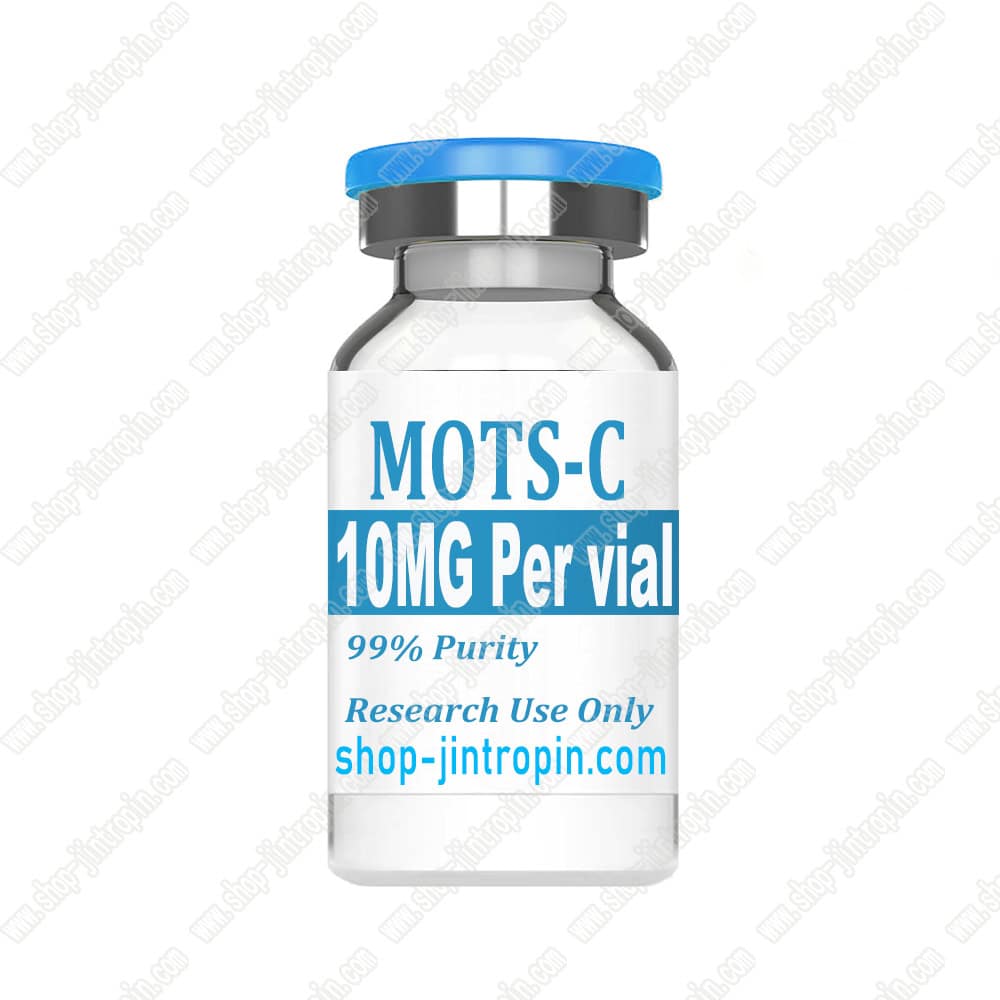
MOTS-C 10mg 10 Vials
Original price was: $120.00.$100.00Current price is: $100.00.
MOTS-C functions as an exercise mimetic, enhancing physical performance and fitness through mitochondrial optimization. Perfect for athletes and fitness enthusiasts seeking enhanced endurance, recovery, and exercise adaptation benefits.
100% delivery
- Satisfaction Guaranteed
- No Hassle Refunds
- Secure Payments
Description
1. MOTS-C is a significant mitochondrial-derived peptide that functions as an exercise mimetic, providing cellular benefits similar to physical exercise
2. Discovered in 2015, this 16-amino acid peptide enhances mitochondrial function and energy production for improved athletic performance
3. Research demonstrates significant improvements in physical fitness, endurance capacity, and exercise adaptation when supplemented
4. The peptide optimizes muscle metabolism and energy utilization during both training and recovery periods
5. Natural upregulation occurs in response to exercise, making MOTS-C supplementation a logical performance enhancement strategy
6. Particularly valuable for athletes seeking to maximize training adaptations and enhance recovery between sessions
7. Offers unique advantages by targeting the fundamental cellular mechanisms underlying exercise performance and adaptation
What is MOTS-C?
1. MOTS-C is a naturally occurring peptide encoded by mitochondrial DNA with the sequence MRWQEMGYIFYPRKLR2. Functions as a key messenger between mitochondria and cellular nuclei for metabolic regulation
3. Discovered at USC Davis School of Gerontology as part of notable mitochondrial peptide research
4. Molecular weight of 2174.62 g??mol?1 allows for efficient cellular uptake and bioavailability
5. Represents a new class of therapeutic compounds bridging cellular energy production with performance
6. Research shows upregulation in response to exercise stress and metabolic demands
7. Acts on casein kinase 2 and other key regulatory pathways involved in exercise adaptation
8. Provides exercise-like metabolic benefits at the cellular level through direct mitochondrial enhancement
9. Unique mitochondrial origin distinguishes it from synthetic performance-enhancing compounds
10. Growing research base demonstrates significant potential for athletic and fitness applications
MOTS-C Benefits and Effects
1. Enhanced mitochondrial biogenesis leading to increased cellular energy production capacity
2. Improved oxidative capacity and aerobic energy system efficiency for better endurance performance
3. Optimized muscle metabolism during both exercise and recovery phases
4. Increased fat oxidation capacity allowing for improved body composition and energy utilization
5. Enhanced exercise adaptation and training response through improved cellular communication
6. Better recovery between training sessions through optimized energy restoration processes
7. Improved physical fitness markers including endurance, strength, and overall performance capacity
8. Enhanced metabolic flexibility allowing efficient fuel switching during different exercise intensities
9. Reduced exercise-induced oxidative stress through improved mitochondrial function
10. Support for maintaining performance during periods of high training volume or intensity
11. Potential benefits for exercise tolerance in individuals with compromised mitochondrial function
12. Enhanced cellular energy efficiency leading to improved workout quality and duration
MOTS-C Side Effects and Safety
1. Generally well-tolerated in research settings with minimal reported adverse effects
2. Possible mild injection site reactions including redness, swelling, or temporary discomfort
3. Initial energy fluctuations as cellular metabolism adapts to enhanced mitochondrial function
4. Temporary changes in exercise response patterns during adaptation period (1-2 weeks)5. Individual variations in response timing and magnitude based on fitness level and genetics
6. Potential for temporary digestive changes as metabolic processes adjust to optimization
7. Rare reports of altered sleep patterns during initial adaptation to improved energy production
8. Important to note limited human clinical trial data due to recent discovery of peptide
9. WADA prohibition beginning in 2024 makes it banned for competitive athletic use
10. No approval for human therapeutic use, making it experimental for performance applications
11. Potential interactions with other performance supplements or medications unknown
12. Long-term safety profile in humans remains to be fully established through research
Main MOTS-C Use Cases
1. Endurance athletes seeking improved aerobic capacity and sustained energy production
2. Strength and power athletes looking to enhance training recovery and adaptation
3. Team sport athletes requiring both power and endurance performance optimization
4. Recreational fitness enthusiasts wanting to maximize their training results and recovery
5. Individuals with exercise intolerance seeking to improve their fitness capacity
6. Athletes in high training volume phases needing enhanced recovery between sessions
7. Older athletes looking to maintain or restore youthful exercise capacity and adaptation
8. Combat sports athletes requiring sustained energy and rapid recovery between rounds
9. Endurance competitors preparing for long-duration events requiring metabolic efficiency
10. CrossFit and functional fitness athletes needing diverse energy system optimization
11. Bodybuilders seeking improved muscle metabolism and fat oxidation during training
12. Research applications studying exercise physiology and mitochondrial function
MOTS-C Dosage Guidelines
1. Research-based protocols typically use 5-10mg daily for performance enhancement applications
2. Conservative starting dose of 2-5mg daily to assess individual tolerance and response patterns
3. Advanced users may progress to 10-15mg daily based on training demands and response
4. Pre-exercise dosing 30-60 minutes before training may enhance exercise-specific benefits
5. Post-exercise administration can support enhanced recovery and adaptation processes
6. Daily dosing appears most effective for maintaining consistent mitochondrial enhancement
7. Dose timing can be adjusted based on training schedule and individual response patterns
8. Higher doses (10-15mg) may be appropriate during intense training blocks or competitions
9. Bodyweight considerations suggest larger athletes may require doses on higher end of range
10. Sport-specific dosing may vary based on energy demands and training characteristics
11. Regular assessment of performance markers should guide dose optimization
12. Always start conservatively and adjust based on measurable performance improvements
MOTS-C Cycle Guidelines
1. Initial cycles of 6-8 weeks allow assessment of performance benefits and adaptation
2. Training phase-specific cycling aligns peptide use with periodized training programs
3. Competition preparation cycles of 4-6 weeks before major events for peak benefits
4. Off-season cycles of 8-12 weeks support base building and capacity development
5. In-season maintenance protocols may use 4-6 week cycles with performance monitoring
6. Recovery-focused cycles during high-volume training phases to prevent overtraining
7. Periodic breaks of 2-4 weeks help prevent tolerance and assess natural performance
8. Pre-competition discontinuation ensures no residual effects during drug-tested events
9. Seasonal cycling approaches align with annual training and competition schedules
10. Individual response patterns should guide cycle length and timing decisions
11. Performance testing during and after cycles helps optimize protocol effectiveness
12. Combination with training periodization maximizes synergistic benefits
MOTS-C Administration Guide
1. Subcutaneous injection is the standard method, typically in abdomen or thigh areas
2. Morning administration aligns with natural circadian energy production patterns
3. Pre-workout timing (30-60 minutes) may enhance immediate exercise benefits
4. Post-workout administration supports recovery and adaptation processes
5. Consistent daily timing helps maintain stable peptide levels and mitochondrial enhancement
6. Proper injection site rotation prevents irritation and ensures consistent absorption
7. Sterile injection technique is crucial for safety and preventing infection
8. Cold storage requirements mean planning ahead for training sessions and travel
9. Split dosing (AM/PM) may provide more consistent effects for some users
10. Integration with existing supplement and nutrition timing for optimal results
11. Consideration of training schedule when planning administration timing
12. Travel protocols for maintaining consistent dosing during competitions or camps
MOTS-C Treatment Duration
1. Performance assessment periods of 4-6 weeks provide initial evaluation of benefits
2. Training block-specific duration aligns with periodized training program phases
3. Competition preparation periods of 6-8 weeks leading up to major events
4. Base building phases may use 8-12 week protocols for comprehensive adaptation
5. Maintenance phases during competitive season require 4-6 week cycles
6. Recovery-focused treatment for 2-4 weeks during planned training recovery periods
7. Individual response patterns may indicate need for shorter or longer treatment periods
8. Performance testing should guide treatment duration and cycling decisions
9. Long-term protocols require periodic breaks to assess continued effectiveness
10. Sport-specific demands influence optimal treatment duration for different disciplines
11. Age and training experience factors may affect optimal treatment timeline
12. Regular monitoring ensures treatment duration matches performance goals and safety
MOTS-C Storage Instructions
1. Lyophilized powder storage at -20??C maintains stability for extended periods
2. Reconstituted solutions require refrigeration at 2-8??C for short-term stability
3. Travel considerations for athletes requiring peptide access during competitions
4. Insulated storage solutions for maintaining proper temperature during transport
5. Pre-loaded syringes can provide convenience while maintaining sterility
6. Backup storage methods essential for consistent training and competition protocols
7. Temperature monitoring to ensure peptide integrity during storage and transport
8. Protection from light exposure to prevent degradation during storage
9. Proper labeling and dating for inventory management and safety tracking
10. Secure storage to prevent contamination and maintain peptide quality
11. Disposal protocols for expired or contaminated peptide materials
12. Emergency storage plans for competition travel and training camps
Why Choose MOTS-C for Performance Enhancement?
1. Natural mitochondrial origin provides better compatibility with cellular energy systems
2. Exercise mimetic properties complement rather than replace actual training adaptations
3. Targets fundamental energy production mechanisms underlying all athletic performance
4. Research-backed approach with demonstrated benefits in controlled studies
5. Mitochondrial optimization benefits extend across all energy systems and sports
6. Natural upregulation with exercise suggests logical therapeutic application
7. Addresses cellular mechanisms often limiting performance in trained athletes
8. Compatible with other evidence-based performance enhancement strategies
9. Provides benefits that accumulate and enhance training adaptation over time
10. Offers unique advantages not available through traditional supplementation approaches
11. Supports both immediate performance and long-term athletic development
12. Addresses age-related decline in mitochondrial function affecting master athletes
Summary
MOTS-C represents a significant approach to performance enhancement through mitochondrial optimization and exercise mimetic effects. As a naturally occurring peptide that enhances the fundamental cellular mechanisms underlying athletic performance, MOTS-C offers unique advantages for athletes across all disciplines and fitness levels. With research-based dosing protocols ranging from 5-15mg daily and strategic cycling approaches that align with training periodization, MOTS-C can effectively enhance endurance capacity, training adaptation, and recovery processes. Its natural origin and proven exercise mimetic properties make it particularly valuable for athletes seeking to maximize their training benefits and performance capacity. However, users must carefully consider the experimental nature of MOTS-C, its WADA prohibition status, and limited human safety data. When used appropriately with proper monitoring and qualified supervision, MOTS-C offers a modern approach to performance enhancement that targets the cellular foundations of athletic excellence.
MOTS-C FAQ
Q: How does MOTS-C enhance exercise performance?
A: MOTS-C optimizes mitochondrial function and energy production, providing exercise mimetic benefits that enhance endurance, recovery, and training adaptation.Q: Is MOTS-C legal for competitive athletes?
A: No, MOTS-C is banned by WADA beginning in 2024, making it prohibited for drug-tested competitive sports.Q: How quickly can athletes expect performance improvements?
A: Based on research, performance benefits may begin within 1-2 weeks, with optimal effects typically seen after 4-6 weeks of consistent use.Q: Can MOTS-C replace proper training?
A: No, MOTS-C functions as an exercise mimetic but is designed to complement, not replace, proper training and conditioning programs.Q: What sports benefit most from MOTS-C?
A: All sports can potentially benefit, but endurance and mixed-energy sports may see the greatest advantages due to mitochondrial enhancement effects.
You must be logged in to post a review.
Related products
-
Sale!
Melanotan II Acetate (MT-2)- 10mg * 10 vials * 1 kit
Original price was: $100.00.$85.00Current price is: $85.00. -
Sale!

HGH Fragment 176-191 10mg *10 Vials * 1kit – Best Eeffect Hiqh Purity Peptides Product
Original price was: $320.00.$260.00Current price is: $260.00. -
Sale!

Sermorelin Acetate-5mg * 10 Vials * 1 kit
Original price was: $130.00.$110.00Current price is: $110.00. -
Sale!
IGF-1 LR3 – 0.1mg * 10 Vials * 1 Kit
Original price was: $100.00.$90.00Current price is: $90.00.
Reviews
There are no reviews yet.