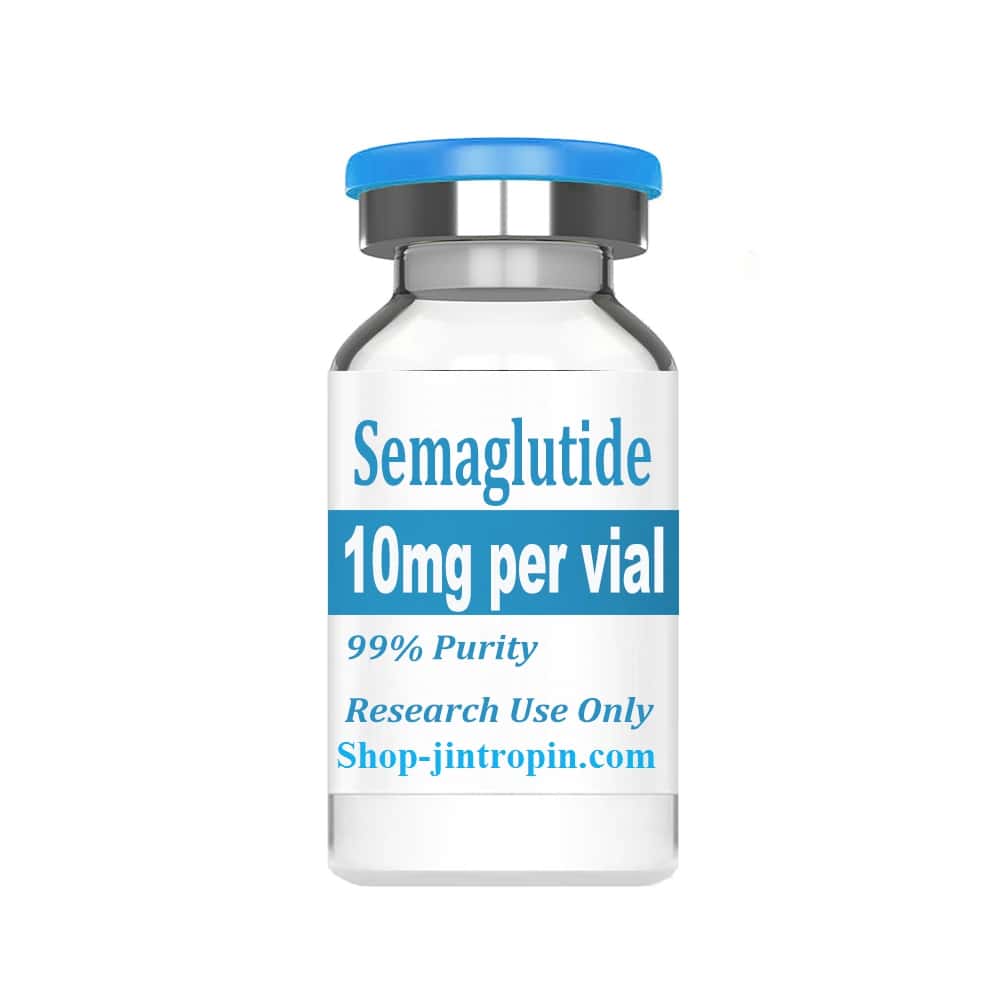
Semaglutide 10mg 10vials 1kit For Weight Loss
Original price was: $260.00.$110.00Current price is: $110.00.
Semaglutide for effective diabetes management and blood glucose control. Clinical-grade peptide for optimal metabolic health and insulin sensitivity.
100% delivery
- Satisfaction Guaranteed
- No Hassle Refunds
- Secure Payments
Description
Semaglutide stands as a leading therapeutic solution for blood sugar control and diabetes management. This new GLP-1 receptor agonist offers comprehensive glucose regulation through multiple physiological pathways, providing individuals with diabetes or prediabetes an effective tool for achieving optimal glycemic control and long-term metabolic health.
What is Semaglutide?
Semaglutide is a synthetic glucagon-like peptide-1 (GLP-1) analog specifically designed to enhance blood sugar control through glucose-dependent insulin stimulation and glucagon suppression. Originally developed for type 2 diabetes management, this compound represents a significant advancement in metabolic health therapeutics, offering both immediate glucose control and long-term cardiovascular protection.
Why Choose Semaglutide for Blood Sugar Control?
1. Glucose-dependent insulin stimulation ensures effective blood sugar reduction without excessive hypoglycemia risk
2. Comprehensive metabolic benefits including improved insulin sensitivity and pancreatic beta-cell preservation
3. Cardiovascular protective effects demonstrated in large clinical outcomes trials
4. Convenient once-weekly dosing improves treatment adherence compared to daily medications
5. Weight loss benefits provide additional metabolic advantages for diabetes management
6. Proven efficacy across diverse patient populations with varying degrees of insulin resistance
7. Compatible with most other diabetes medications for combination therapy approaches
Semaglutide Benefits and Effects
? better glycemic control with significant HbA1c reduction (typically 1.5-2.0% decrease)? Enhanced insulin sensitivity leading to improved glucose metabolism and cellular uptake? Pancreatic beta-cell preservation and potential regeneration for long-term diabetes management? Cardiovascular protection with reduced risk of major adverse cardiac events? Weight loss benefits that improve insulin sensitivity and overall metabolic function? Reduced inflammation markers associated with diabetes complications? Improved lipid profiles including reduced triglycerides and improved HDL cholesterol? Enhanced quality of life through better energy levels and reduced diabetes-related symptoms
Semaglutide Side Effects and Safety
| Side Effect Category | Common Effects | Management Strategies | Frequency |
|---|---|---|---|
| Gastrointestinal | Nausea, vomiting, diarrhea | Gradual dose escalation, take with food | Very Common (>30%) |
| Hypoglycemia | Low blood sugar when combined with insulin/sulfonylureas | Monitor glucose, adjust concurrent medications | Common with combinations |
| Injection Site | Mild reactions, rarely lipodystrophy | Rotate injection sites, proper technique | Uncommon (<5%) |
| Serious (Rare) | Pancreatitis, thyroid concerns | Immediate medical attention, discontinue if indicated | Very Rare (<0.1%) |
Main Semaglutide Use Cases
| Application | Patient Population | Expected Benefits | Typical Duration |
|---|---|---|---|
| Type 2 Diabetes Management | Adults with inadequate glycemic control | 1.5-2.0% HbA1c reduction | Long-term |
| Prediabetes Prevention | High-risk individuals | Diabetes progression prevention | Variable |
| Cardiovascular Protection | Diabetes with CV risk factors | MACE reduction ~26% | Long-term |
| Metabolic Syndrome | Multiple metabolic risk factors | Comprehensive metabolic improvement | 6-12+ months |
Semaglutide Dosage Guidelines
Initial Dosing Protocol
Start with 0.25mg subcutaneously once weekly for 4 weeks to establish tolerance and minimize gastrointestinal effects. This initial phase allows physiological adaptation while providing modest glucose benefits.
Standard Escalation Schedule
Week 5-8: Increase to 0.5mg weeklyWeek 9-12: Advance to 1.0mg weekly if additional glucose control neededMaintenance: 0.5-1.0mg weekly based on individual glycemic targets and tolerance
Advanced Dosing (When Indicated)
For patients requiring maximum glucose control, doses may be increased to 1.7mg or 2.4mg weekly under medical supervision, with careful monitoring for increased side effects.
Combination Therapy Considerations
When used with insulin or sulfonylureas, consider reducing doses of these medications to prevent hypoglycemia. Monitor blood glucose closely during initial weeks.
Semaglutide Cycle Guidelines
Q: How should I structure my Semaglutide treatment for optimal blood sugar control?
A: Begin with a 12-week initiation phase focusing on dose escalation and glucose monitoring. This is followed by a maintenance phase with ongoing dose optimization based on HbA1c results and individual response.
Q: When should I expect to see improvements in blood sugar control?
A: Fasting glucose improvements typically begin within 2-4 weeks, with maximum glycemic benefits achieved by 12-16 weeks of consistent treatment.
Q: How long should I continue Semaglutide for diabetes management?
A: Most individuals benefit from long-term treatment to maintain glycemic control and cardiovascular protection. Treatment duration should be individualized based on response and overall health goals.
Q: Can I take breaks from Semaglutide treatment?
A: Treatment interruptions should be carefully considered with healthcare supervision, as discontinuation typically results in gradual return of blood sugar elevations within 4-8 weeks.
Semaglutide Administration Guide
Q: What’s the best way to inject Semaglutide for diabetes management?
A: Administer subcutaneously in the abdomen, thigh, or upper arm on the same day each week. Rotate injection sites and use proper sterile technique to prevent complications and ensure consistent absorption.
Q: Should I time my Semaglutide injection with meals?
A: Semaglutide can be administered with or without food. Many patients prefer evening injection to minimize potential nausea interference with daily activities, especially during the initial adjustment period.
Q: How do I prepare and handle Semaglutide properly?
A: Allow refrigerated medication to reach room temperature before injection. Check for clarity and particles before use. Never shake the pen, and dispose of needles safely according to medical waste guidelines.
Semaglutide Treatment Duration
Q: How long does it take to achieve optimal blood sugar control with Semaglutide?
A: Initial glucose improvements begin within 2-4 weeks, with optimal HbA1c reduction typically achieved by 12-16 weeks. Maximum cardiovascular benefits develop over 6-12 months of consistent treatment.
Q: Is Semaglutide suitable for long-term diabetes management?
A: Yes, clinical studies support long-term use for sustained glycemic control and cardiovascular protection. Many patients use Semaglutide indefinitely as part of comprehensive diabetes management strategies.
Q: What happens if I need to stop Semaglutide treatment?
A: Gradual return to baseline blood sugar levels typically occurs over 4-8 weeks after discontinuation. Alternative diabetes management strategies should be implemented before stopping treatment.
Semaglutide Storage Instructions
Q: How should I store my Semaglutide to maintain its effectiveness for diabetes control?
A: Store unused pens refrigerated at 2-8??C (36-46??F) in original packaging. Once in use, can be stored at room temperature below 30??C (86??F) for up to 56 days. Protect from light and never freeze.
Q: What should I do if my Semaglutide has been exposed to extreme temperatures?
A: If exposed to freezing or excessive heat, do not use the medication. Contact your pharmacy for replacement, as temperature extremes can affect the medication’s potency and safety.
Summary
Semaglutide represents a cornerstone therapy for modern diabetes management, offering comprehensive blood sugar control through multiple physiological mechanisms. Its proven efficacy in reducing HbA1c, providing cardiovascular protection, and supporting weight management makes it an valuable tool for individuals with type 2 diabetes or prediabetes. The convenient once-weekly dosing, combined with its excellent safety profile and compatibility with other diabetes medications, positions Semaglutide as a preferred choice for long-term metabolic health optimization. Success with Semaglutide requires commitment to proper administration, regular monitoring, and integration with comprehensive diabetes care strategies.
Semaglutide FAQ
Can Semaglutide completely replace my other diabetes medications?
Semaglutide may reduce the need for other medications but complete replacement depends on individual response and diabetes severity. Work with healthcare providers to optimize your medication regimen safely.
How does Semaglutide compare to insulin for blood sugar control?
Semaglutide offers glucose-dependent action with lower hypoglycemia risk compared to insulin, plus additional benefits like weight loss. Some patients may need both medications for optimal control.
Will Semaglutide help prevent diabetes complications?
Yes, by improving glycemic control and providing cardiovascular protection, Semaglutide helps reduce the risk of long-term diabetes complications including heart disease, kidney problems, and neuropathy.
What blood sugar targets should I aim for while using Semaglutide?
Target ranges vary by individual, but generally aim for HbA1c <7% for most adults, fasting glucose 80-130 mg/dL, and post-meal glucose <180 mg/dL. Your healthcare provider will set personalized targets.
Can I use Semaglutide if I have kidney disease?
Semaglutide can be used in mild to moderate kidney disease but requires dose monitoring and regular kidney function assessment. It may actually provide kidney protective benefits in diabetes.
How should I monitor my blood sugar while starting Semaglutide?
Increase monitoring frequency during the first 8-12 weeks, especially if using insulin or sulfonylureas. Check fasting glucose, pre-meal levels, and occasional post-meal readings to assess response.
What should I do if I experience low blood sugar with Semaglutide?
Treat hypoglycemia immediately with fast-acting carbohydrates. Review your other diabetes medications with your healthcare provider, as doses may need adjustment to prevent recurrence.
Is Semaglutide covered by insurance for diabetes treatment?
Most insurance plans cover Semaglutide for diabetes treatment, though prior authorization may be required. Coverage varies by plan, so check with your insurance provider for specific details.
Related products
-
Sale!
Semaglutide 5mg 10 vials 1kit For Weight Loss
Original price was: $170.00.$85.00Current price is: $85.00. -
Sale!
GHRP-2 Acetate 5mg * 10 Vials * 1 Kit
Original price was: $60.00.$45.00Current price is: $45.00. -
Sale!

Tesamorelin 10mg + Ipamorelin 5mg 10vials 1kits
Original price was: $500.00.$350.00Current price is: $350.00. -
Sale!
IGF-1 LR3 – 1mg * 10 Vials * 1 Kit
Original price was: $500.00.$285.00Current price is: $285.00.