Sale!

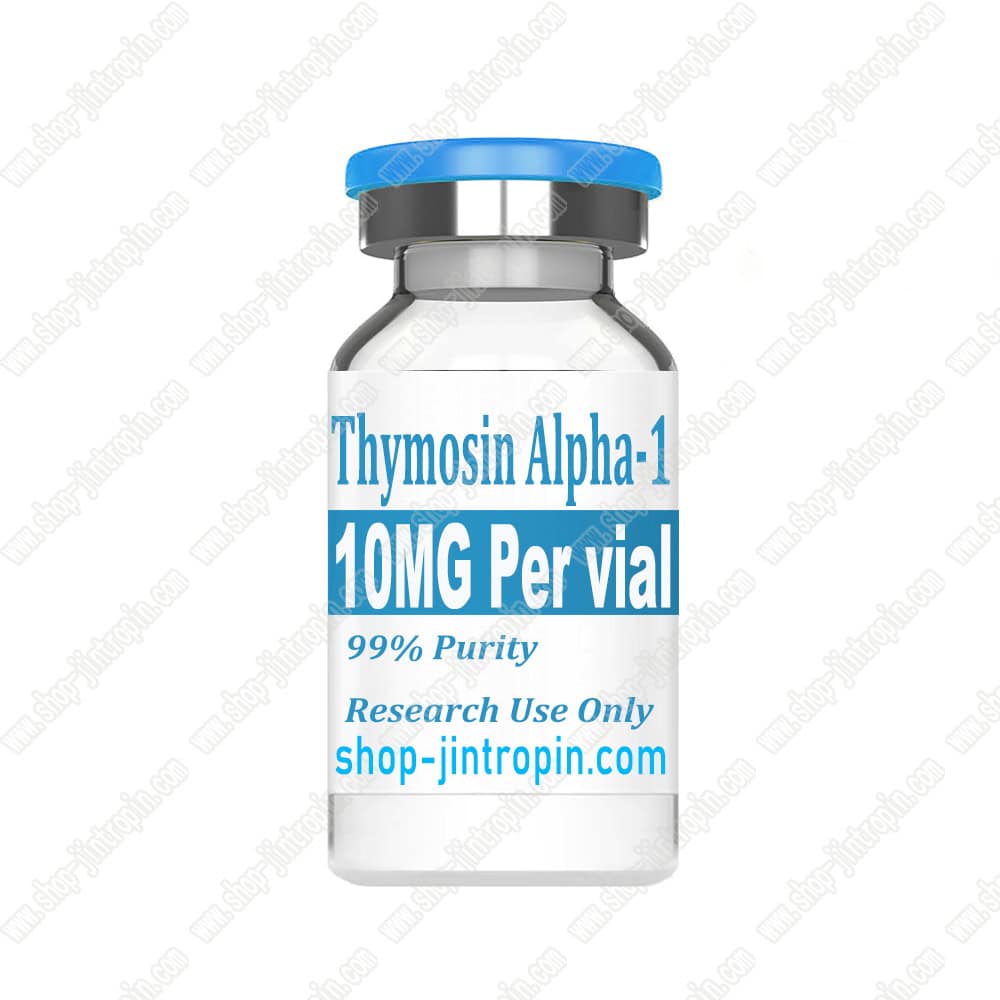
Thymosin Alpha-1 10mg 10Vials

Original price was: $530.00.Current price is: $265.00.

Due to the legal landscape of peptides and research products, providing information that may imply anything beyond laboratory research use is a legal liability. We??re an expert biotechnology company that provides high quality peptides and products for purchase to advance scientific research in this field..

100% delivery

  • Done Satisfaction Guaranteed
  • Done No Hassle Refunds
  • Done Secure Payments
GUARANTEED SAFE CHECKOUT
  • Visa Card
  • MasterCard

Description

Introduction

Due to the legal landscape of peptides and research products, providing information that may imply anything beyond laboratory research use is a legal liability. We??re an expert biotechnology company that provides high quality peptides and products for purchase to advance scientific research in this field. Thymosin Alpha-1 (T??1)is a laboratory research material used to examine immune-signaling pathways, T-cell maturation, cytokine regulation, and receptor interactions in controlled experimental models. References to immune-related research topics are provided for scientific context only and must not be interpreted as claims of therapeutic, diagnostic, or clinical benefit. This product is not offered for human or veterinary use. Thymosin Alpha-1 (T??1) is a synthetic peptide used in laboratory studies of immune signaling, receptor interactions, and experimental model behavior. Any references to biological activity are provided strictly for research context and must not be interpreted as claims of safety, efficacy, or intended human use. Thymosin Alpha-1cancer research has emerged as a compelling area of investigation, with recent studies revealing significant potential for this synthetic peptide in oncological applications. Researchers worldwide are examining how Thymosin Alpha-1 influences immune responses and directly affects cancer cell viability. Thymosin Alpha-1 cancer research’s dual mechanism of action, involving both immune system enhancement and direct cellular effects, positions it as a promising candidate for cancer therapy development. Current investigations focus on Thymosin Alpha-1’s ability to strengthen immune surveillance mechanisms while simultaneously exhibiting direct cytotoxic effects on malignant cells. Multiple clinical trials and laboratory studies have documented substantial improvements in patient outcomes when Thymosin Alpha-1 is incorporated into treatment protocols. Research institutions continue to explore optimal dosing strategies and combination therapies to maximize therapeutic efficacy. Order Thymosin Alpha-1 TA1 10mg vials from Peptide Partners for immune,anti-aging, and wellness support. Fast U.S. shipping, expert guidance, and reviews. Peptide Partners(. is a leading U.S. provider ofThymosin Alpha-1 (TA1, 10mg vials)??trusted for clinical, wellness, and research protocols. With strong domain authority, organic and paid search traffic, authoritative backlinks, and recognition by leading organizations, Peptide Partners offers quality, expertise,and trust for your peptide therapy needs. Thymosin Alpha-1 (T??1) is a 28-amino acid peptide originally isolated from Thymosin Fraction 5, a preparation derived from bovine thymus tissue. It is one of the most extensively characterized immunomodulatory peptides, with over 4,400 published studies investigating its role in immune system regulation. FOR RESEARCH USE ONLY. Not for human consumption.

About Thymosin Alpha-1

Thymosin Alpha-1 (TA1)is a bioactive peptide originally derived from the thymus gland. It is known for its role inimmune modulation, infection defense, anti-aging, and tissue repair.TA1 is available in10mg vials??ideal for clinical and advanced wellness protocols where purity and dosing precision are essential. Title:Thymosin Alpha 1 Mitigates Cytokine Storm in Blood Cells From Coronavirus Disease 2019 Patients Authors:Claudia Matteucci, Antonella Minutolo, Emanuela Balestrieri, Vita Petrone, Marialaura Fanelli, Vincenzo Malagnino, Marco Ianetta, Alessandro Giovinazzo, Filippo Barreca, Silvia Di Cesare, Patrizia De Marco, Martino Tony Miele, Nicola Toschi, Antonio Mastino, Paola Sinibaldi Vallebona, Sergio Bernardini, Paola Rogliani, Loredana Sarmati, Massimo Andreoni, Sandro Grelli, Enrico Garaci It is commonly utilized to study immune signaling, T-cell communication, cytokine behavior, and coordinated immune-response dynamics under controlled experimental conditions. Each vial contains5 mg of research-grade, lyophilized Thymosin Alpha-1designed for controlled reconstitution in laboratory environments. Published scientific literature describes tolerability observations in controlled research models. This does not imply suitability for human or animal use. It is commonly utilized to study immune signaling, T-cell communication, cytokine behavior, and coordinated immune-response dynamics under controlled experimental conditions. Each vial contains5 mg of research-grade, lyophilized Thymosin Alpha-1designed for controlled reconstitution in laboratory environments. Published scientific literature describes tolerability observations in controlled research models. This does not imply suitability for human or animal use.

How It Works

Thymosin Alpha-1 operates as a sophisticated biological response modifier. The peptide binds primarily to Toll-like receptors (specifically TLR-9) on dendritic cells and other immune progenitors. This focal interaction initiates a robust signaling cascade that fundamentally forces the maturation and differentiation of T-lymphocytes into active T-helper (CD4+) and cytotoxic T-cells (CD8+). Simultaneously, T??1 increases the expression of major histocompatibility complex (MHC) Class I molecules and upregulates the production of key Th1 cytokines, such as interferon-gamma and interleukin-2. Compared to broader bioregulators like Thymalin, T??1 provides a more targeted, acute enhancement of the body’s anti-viral and anti-neoplastic surveillance mechanisms. Quantitative research indicates a systemic biological half-life of approximately 2 hours, though its immunomodulatory footprint persists for several days post-administration.

Therapeutic Effects of Thymosin Alpha-1

Title:Thymosin ??1 Activates Complement Receptor-Mediated Phagocytosis in Human Monocyte-Derived Macrophages Authors:Annalucia Serafino, Fabrizio Pica, Francesca Andreola, Roberta Gaziano, Nadia Moroni, Gianluca Moroni, Manuela Zonfrillo, Pasquale Pierimarchi, Paola Sinibaldi-Vallebona, Enrico Garaci T??1 is widely studied in laboratory settings because it produces measurable effects on immunerelated markers in controlled experimental models. In laboratory assays, it is examined for its activity in T-cell differentiation, antigen processing, cytokine signaling modulation, and other foundational immune processes. Researchers also utilize T??1 to investigate oxidative-stress responses and immune behavior under altered experimental conditions. All references to biological activity are provided for research context only. (All statements below refer strictly to laboratory research results and experimental modeling, not to therapeutic or personal-use contexts.) Within research platforms, T??1 is frequently used to examine how immune cells activate, differentiate, bind to receptors, and communicate with one another after exposure to specific stimuli. Its known influence on T-cell maturation makes it a useful marker for following immunepathway progression at the cellular level. In laboratory settings, T??1 is studied as a modulatory peptide rather than a purely stimulatory one, which allows researchers to observe immune-signaling shifts in controlled models. Experimental findings often focus on cytokine production, antigen presentation, and coordinated white blood cell signaling. These observations are used to map immune-regulation pathways in controlled laboratory studies. A significant number of laboratory studies explore T??1 under chemical, oxidative, or environmental stress to understand how immune pathways adapt in controlled research settings. Investigators often incorporate T??1 into inflammation-associated assays to observe shifts in signaling proteins and cytokines. These studies are used to understand immune-regulation cascades in laboratory models. T??1 is frequently examined alongside additional peptides or molecular agents to explore combined molecular effects, interference patterns, or comparative outcomes across controlled research environments. The careful production and testing standards associated with T??1 make it a valuable asset to research laboratories focused on immune-relevant systems. Modulatory Effects of Thymosin Alpha-1 on Immune Function Thymosin alpha-1, originally isolated from the thymus gland, acts as an important regulator of immune responses. The thymus plays a vital role in the development of T lymphocytes, key cells in the adaptive immune system. These T-cells help the immune system remember previous infections and enhance the function of other immune cells, improving the body??s ability to combat infections. Studies on animals without thymus glands have shown that thymosin alpha-1 alone can restore immune function and reduce widespread infection. It works by activating signaling pathways and promoting the release of molecules that coordinate the actions of different immune cells throughout the system. As a result, thymosin alpha-1 has broad immune-boosting effects. One potential application of thymosin alpha-1 is in vaccine development. Many current vaccines use inactivated (killed) pathogens because using live but weakened pathogens can carry risks. However, inactivated vaccines often produce weaker immune responses and shorter-lasting protection. Thymosin alpha-1 may improve the effectiveness of these vaccines by strengthening the immune response, which could lead to better and longer-lasting immunity. This would be especially beneficial in severe diseases such as avian influenza and HIV. Thymosin alpha-1 may also be valuable in treating sepsis, a dangerous condition caused by an overly strong immune reaction to infection. Controlling the immune response during sepsis is essential to prevent organ damage and save lives. Research suggests that thymosin alpha-1 can reduce death rates and lower long-term complications in patients with sepsis. Although more research is needed, early results indicate that thymosin alpha-1 could soon be approved as a treatment option for sepsis. Thymosin Alpha-1 and Recovery from Tooth Injuries Research on the benefits of thymosin alpha-1 in cases of avulsed (pulled out) and replanted permanent front teeth shows that the molecule helps heal gums and surrounding soft tissues, supporting the survival of the replanted tooth. Though more research is needed, current findings suggest thymosin alpha-1 may significantly aid in the recovery from traumatic tooth injuries, making it easier for dentists to perform successful tooth rescue procedures. Potential of Thymosin Alpha-1 in Treating Cystic Fibrosis Cystic fibrosis is characterized by severe inflammation leading to poor mucus clearance, higher infection rates, and other complications. These issues arise from the misfolding of a particular protein called CFTR. Studies suggest that thymosin alpha-1 can decrease inflammation and potentially improve the function of the CFTR protein. This points to the possibility that thymosin alpha-1 might serve as an effective single-molecule treatment option for cystic fibrosis. Thymosin Alpha-1 and Its Role in Managing Inflammatory Pain Inflammatory pain is transmitted through specific pathways in both the peripheral and central nervous systems. Research shows that thymosin alpha-1 acts directly where inflammation occurs to reduce the production of cytokines and other molecules that trigger pain. This approach works differently from typical anti-inflammatory pain relievers and may offer better pain relief with fewer side effects compared to many current medications. Immune Support and HIV: The Role of Thymosin Alpha-1 Although modern antiretroviral therapy has dramatically improved outcomes for people living with HIV since the 1980s, complete restoration of immune function remains difficult. Long-term antiviral treatment is known to affect the immune system, especially cytotoxic T-cells, and can contribute to ongoing inflammation. Research suggests that thymosin alpha-1 may help support immune recovery in individuals receiving intensive antiretroviral therapy, potentially improving immune regulation and overall well-being. Some findings also indicate that thymosin alpha-1 could enhance the body??s ability to combat HIV. It appears to promote the release of certain factors from CD8 T-cells that can suppress HIV activity and help prevent the virus from infecting other immune cells. Thymosin Alpha-1 and Blood Pressure Regulation Emerging studies show that thymosin alpha-1 may inhibit angiotensin-converting enzyme (ACE), an important regulator of blood pressure. ACE inhibitors??like lisinopril??are commonly used to manage hypertension because they relax blood vessels, lower blood pressure, reduce strain on the heart, slow plaque buildup, and support kidney health. However, traditional ACE-blocking medications often come with undesirable side effects. Because thymosin alpha-1 may influence ACE activity without the same risk of adverse reactions, researchers are exploring its potential as an alternative option for supporting healthy blood pressure and cardiovascular function. Our peptides are produced exclusively for laboratory and scientific research purposes. Licensed Peptides? products are developed using industry-standard synthesis and purification protocols, making them suitable forin vitro research, analytical testing, and experimental models. Our peptides are produced exclusively for laboratory and scientific research purposes. Licensed Peptides? products are developed using industry-standard synthesis and purification protocols, making them suitable forin vitro research, analytical testing, and experimental models. In laboratory assays, T??1 is observed interacting with immune receptors, influencing cytokine expression, and supporting studies related to T-cell maturation and immune pathway mapping. No. Research frameworks describe it as a modulatory agent rather than a purely stimulatory one, making it useful for observing balanced immune-signaling shifts rather than uniform intensification. Immunology, inflammation biology, molecular signaling studies, and cellular immunomodulation research commonly employ T??1 in controlled experiments. An endotoxin-free peptide helps ensure that observed immune or cellular responses arise from the peptide itself rather than from contaminating endotoxins, supporting cleaner data interpretation in laboratory studies. Yes. Thymosin Alpha-1 5 mg is part of a category where research peptides are endotoxin tested to meet laboratory standards for purity, consistency, and experimental reliability. 99.4% HPLC Verified ?? Endotoxin-Screened ?? GMP-Certified ??Free FedEx 2-Day on + Trusted provider of research-grade peptides. GMP-certified, HPLC-verified, USA manufactured and shipped. is a licensed U.S. business entity supplying compounds for laboratory research purposes only. No products are approved for human use. All products on this site are for Research & Development use only. Products are not for human consumption of any kind. The statements made within this website have not been evaluated by the US Food and Drug Administration. This information is not intended to diagnose, treat, cure, or prevent any disease. Licensed Peptides is a chemical supplier. Licensed Peptides is not a compounding pharmacy or chemical compounding facility as defined by Section 503A of the Federal Food, Drug, and Cosmetic act. T??1 is studied in controlled laboratory settings to examine immune-marker responses, cytokine signaling, antigen presentation, and receptor-level interactions. This product is supplied for research purposes only and is not offered for human or veterinary use. The careful production and testing standards associated with T??1 make it a valuable asset to research laboratories focused on immune-relevant systems. Published studies on T??1 are referenced here for scientific background only. They describe findings in cell and experimental models and do not imply therapeutic, diagnostic, or clinical benefit. Our peptides are produced exclusively for laboratory and scientific research purposes. Licensed Peptides? products are developed using industry-standard synthesis and purification protocols, making them suitable forin vitro research, analytical testing, and experimental models. Our peptides are produced exclusively for laboratory and scientific research purposes. Licensed Peptides? products are developed using industry-standard synthesis and purification protocols, making them suitable forin vitro research, analytical testing, and experimental models. In laboratory assays, T??1 is observed interacting with immune receptors, influencing cytokine expression, and supporting studies related to T-cell maturation and immune pathway mapping. No. Research frameworks describe it as a modulatory agent rather than a purely stimulatory one, making it useful for observing balanced immune-signaling shifts rather than uniform intensification. Immunology, inflammation biology, molecular signaling studies, and cellular immunomodulation research commonly employ T??1 in controlled experiments. An endotoxin-free peptide helps ensure that observed immune or cellular responses arise from the peptide itself rather than from contaminating endotoxins, supporting cleaner data interpretation in laboratory studies. Yes. Thymosin Alpha-1 5 mg is part of a category where research peptides are endotoxin tested to meet laboratory standards for purity, consistency, and experimental reliability. 99.4% HPLC Verified ?? Endotoxin-Screened ?? GMP-Certified ??Free FedEx 2-Day on + Trusted provider of research-grade peptides. GMP-certified, HPLC-verified, USA manufactured and shipped. is a licensed U.S. business entity supplying compounds for laboratory research purposes only. No products are approved for human use. All products on this site are for Research & Development use only. Products are not for human consumption of any kind. The statements made within this website have not been evaluated by the US Food and Drug Administration. This information is not intended to diagnose, treat, cure, or prevent any disease. Licensed Peptides is a chemical supplier. Licensed Peptides is not a compounding pharmacy or chemical compounding facility as defined by Section 503A of the Federal Food, Drug, and Cosmetic act. Clinical trials examining Thymosin Alpha-1 in cancer treatment have yielded encouraging results across multiple cancer types. A randomized controlled trial involving 200 hepatocellular carcinoma patients demonstrated significant improvements in overall survival rates when Thymosin Alpha-1 was added to standard treatment protocols. Patients receiving Thymosin Alpha-1 cancer research showed 35% better five-year survival rates compared to control groups[2]. Lung cancer research has produced similarly promising outcomes. A multi-center study involving 180 non-small cell lung cancer patients revealed enhanced response rates to chemotherapy when combined with Thymosin Alpha-1 treatment. Patients experienced reduced treatment-related side effects and improved quality of life scores throughout therapy duration. Gastric cancer investigations demonstrate Thymosin Alpha-1’s potential in preventing post-surgical recurrence. Research involving 150 gastric cancer patients showed 28% reduction in recurrence rates over 24-month follow-up periods. Laboratory markers indicated sustained immune activation and improved natural killer cell activity in treated patients[3]. Breast cancer studies reveal enhanced efficacy of conventional treatments when combined with Thymosin Alpha-1. Research shows improved pathological complete response rates in neoadjuvant therapy settings, with 42% of treated patients achieving complete tumor elimination compared to 31% in control groups. Laboratory studies investigating Thymosin Alpha-1’s immune-enhancing properties reveal comprehensive effects on multiple immune cell populations. Research demonstrates increased natural killer cell cytotoxicity, with treated cells showing 60% greater tumor cell destruction capacity compared to untreated controls. Flow cytometry analysis reveals enhanced expression of perforin and granzyme, key effector molecules in cancer cell elimination[4]. T-regulatory cell research shows that Thymosin Alpha-1 can modulate suppressive immune responses that often protect tumors from immune attack. Studies indicate reduced T-regulatory cell proliferation and decreased production of immunosuppressive cytokines like TGF-beta and IL-10. Research suggests improved tumor microenvironment conditions that favor anti-cancer immune responses. Macrophage polarization studies demonstrate Thymosin Alpha-1’s ability to shift immune responses from tumor-promoting to tumor-suppressing phenotypes. Research shows increased M1 macrophage activation, associated with enhanced antigen presentation and inflammatory responses against cancer cells. Laboratory investigations reveal elevated production of tumor necrosis factor-alpha and nitric oxide, molecules crucial for cancer cell destruction. Recent research exploring Thymosin Alpha-1 in combination with established cancer treatments reveals synergistic effects. Chemotherapy combination studies show enhanced drug efficacy with reduced systemic toxicity. Laboratory investigations demonstrate thatThymosin Alpha-1preconditioning increases cancer cell sensitivity to cytotoxic agents while protecting normal cells from damage. Radiation therapy research indicates improved treatment outcomes when Thymosin Alpha-1 is administered concurrently. Studies show enhanced radiation-induced cancer cell death and improved local tumor control rates. Research suggests Thymosin Alpha-1 cancer research enhances radiation-induced immune responses, leading to abscopal effects where distant tumors also respond to treatment[5]. Immunotherapy combination research reveals promising results in checkpoint inhibitor enhancement. Laboratory studies demonstrate increased T-cell infiltration into tumor tissues when Thymosin Alpha-1 is combined with PD-1 or PD-L1 inhibitors. Research indicates improved response rates and prolonged progression-free survival in animal models. Extensive safety research demonstrates Thymosin Alpha-1’s favorable tolerability profile in cancer patients. Clinical studies involving over 1,000 patients report minimal adverse effects, with most side effects classified as mild and transient. Common reported effects include injection site reactions and mild flu-like symptoms, typically resolving within 24-48 hours. Long-term safety studies spanning 24-month periods show no significant organ toxicity or immune system dysfunction. Laboratory monitoring reveals stable hematological parameters and liver function throughout treatment periods. Research indicates no increased risk of autoimmune reactions or opportunistic infections, common concerns with immune-modulating therapies. Drug interaction studies demonstrate minimal interference with conventional cancer treatments. Research shows no significant alterations in chemotherapy drug metabolism or clearance when combined with Thymosin Alpha-1. Safety profiles remain consistent across different age groups and cancer stages. Emerging research areas focus on optimizing Thymosin Alpha-1 delivery methods and dosing protocols for maximum anti-cancer efficacy. Nanotechnology applications are being investigated to improve peptide stability and targeted delivery to tumor sites. Research into modified peptide analogues aims to enhance potency and duration of action. Biomarker research seeks to identify patient populations most likely to benefit from Thymosin Alpha-1 treatment. Studies examining genetic polymorphisms and immune system characteristics may enable personalized treatment approaches. Research into predictive markers could optimize patient selection and treatment timing. Combination therapy research continues expanding to include novel immunotherapeutic agents and targeted therapies. Studies investigating Thymosin Alpha-1 with CAR-T cell therapy and cancer vaccines show preliminary promise. Research into optimal sequencing and timing of combination treatments remains an active area of investigation. Thymosin Alpha-1 cancer research continues to reveal significant potential for this versatile peptide in oncological applications. The accumulating evidence demonstrates dual mechanisms involving immune system enhancement and direct effects on cancer cell survival pathways. Clinical studies across multiple cancer types show improved treatment outcomes and enhanced patient survival rates. As research progresses, Thymosin Alpha-1 may become an important component of comprehensive cancer treatment strategies. Scientists interested in this developing field canexplore Thymosin Alpha-1for their research applications. Learn more aboutThymosin Alpha-1research. New COAs, peptide breakdowns, and subscriber-only restock alerts. No spam. Disclaimer:All products on this site are for Research, Development use only. Products are Not for Human consumption of any kind. The statements made within this website have not been evaluated by the US Food and Drug Administration. The statements and the products of this company are not intended to diagnose, treat, cure or prevent any disease. Fulfillment: 1460 Broadway, Manhattan, NY 10036 ? 2026 BioInfinity Lab. All Rights Reserved Commonly studied alongside in laboratory settings Research Use Only:This product is intended for laboratory research purposes only. Not for human consumption. Committed to integrity and quality, we support science at every scale. New COAs, peptide breakdowns, and subscriber-only restock alerts. No spam. Disclaimer:All products on this site are for Research, Development use only. Products are Not for Human consumption of any kind. The statements made within this website have not been evaluated by the US Food and Drug Administration. The statements and the products of this company are not intended to diagnose, treat, cure or prevent any disease. Fulfillment: 1460 Broadway, Manhattan, NY 10036 ? 2026 BioInfinity Lab. All Rights Reserved

Storage & Handling of Thymosin Alpha-1

Title:Thymosin Alpha 1 Alleviates Inflammation and Prevents Infection in Patients with Severe Acute Pancreatitis Through Immune Regulation: A Systematic Review and Meta-Analysis Authors:Ye Tian, Jie Yao, Yulong Ma, Pengfei Zhang, Xinyi Zhou, Wenlong Xie, Wei Tang All of our products are manufactured using the Lyophilization (Freeze Drying) process, which ensures that our products remain 100% stable for shipping for up to 3-4 months. Once the peptides are reconstituted (mixed with bacteriostatic water), they must be stored in the fridge to maintain stability. After reconstitution, the peptides will remain stable for up to 30 days. Lyophilization is a unique dehydration process, also known as cryodesiccation, where the peptides are frozen and then subjected to low pressure. This causes the water in the peptide vial to sublimate directly from solid to gas, leaving behind a stable, crystalline white structure known as lyophilized peptide. The puffy white powder can be stored at room temperature until you??re ready to reconstitute it with bacteriostatic water. Once peptides have been received, it is imperative that they are kept cold and away from light. If the peptides will be used immediately, or in the next several days, weeks or months, short-term refrigeration under 4C (39F) is generally acceptable. Lyophilized peptides are usually stable at room temperatures for several weeks or more, so if they will be utilized within weeks or months such storage is typically adequate. However, for longer term storage (several months to years) it is more preferable to store peptides in a freezer at -80C (-112F). When storing peptides for months or even years, freezing is optimal in order to preserve the peptide??s stability. For further information on proper storage techniques, click the link below: All of our products are manufactured using the Lyophilization (Freeze Drying) process, which ensures that our products remain 100% stable for shipping for up to 3-4 months. Once the peptides are reconstituted (mixed with bacteriostatic water), they must be stored in the fridge to maintain stability. After reconstitution, the peptides will remain stable for up to 30 days. Lyophilization is a unique dehydration process, also known as cryodesiccation, where the peptides are frozen and then subjected to low pressure. This causes the water in the peptide vial to sublimate directly from solid to gas, leaving behind a stable, crystalline white structure known as lyophilized peptide. The puffy white powder can be stored at room temperature until you??re ready to reconstitute it with bacteriostatic water. Once peptides have been received, it is imperative that they are kept cold and away from light. If the peptides will be used immediately, or in the next several days, weeks or months, short-term refrigeration under 4C (39F) is generally acceptable. Lyophilized peptides are usually stable at room temperatures for several weeks or more, so if they will be utilized within weeks or months such storage is typically adequate. However, for longer term storage (several months to years) it is more preferable to store peptides in a freezer at -80C (-112F). When storing peptides for months or even years, freezing is optimal in order to preserve the peptide??s stability. For further information on proper storage techniques, click the link below: Lyophilized Thymosin Alpha-1 stores at ?20 ??C protected from light; reconstituted solution refrigerates at 2?C8 ??C per laboratory SOP. Reference your lot’s COA for compound-specific guidance and see our [Preparation Guide](/learn/preparation-guide) for laboratory handling instructions.

Summary of Thymosin Alpha-1

Peptide Partnersdelivers premiumThymosin Alpha-1 (TA1, 10mg vials)??trusted for immune support, anti-aging, and clinical protocols. Experience the difference with high-purity peptides, expert guidance, and secure, fast U.S. shipping. Ready to buy Thymosin Alpha-1 (TA1, 10mg vials)?.comor email[email protected]for orders, professional support, or B2B pricing.

Disclaimer

This product is intended for laboratory research purposes only. It is not for human consumption, veterinary use, or any other commercial application. This product has not been evaluated or approved by the US Food

Thymosin Alpha-1 Thymic Immunomodulator T-Cell Activation Research

Reviews

There are no reviews yet.

Be the first to review “Thymosin Alpha-1 10mg 10Vials”