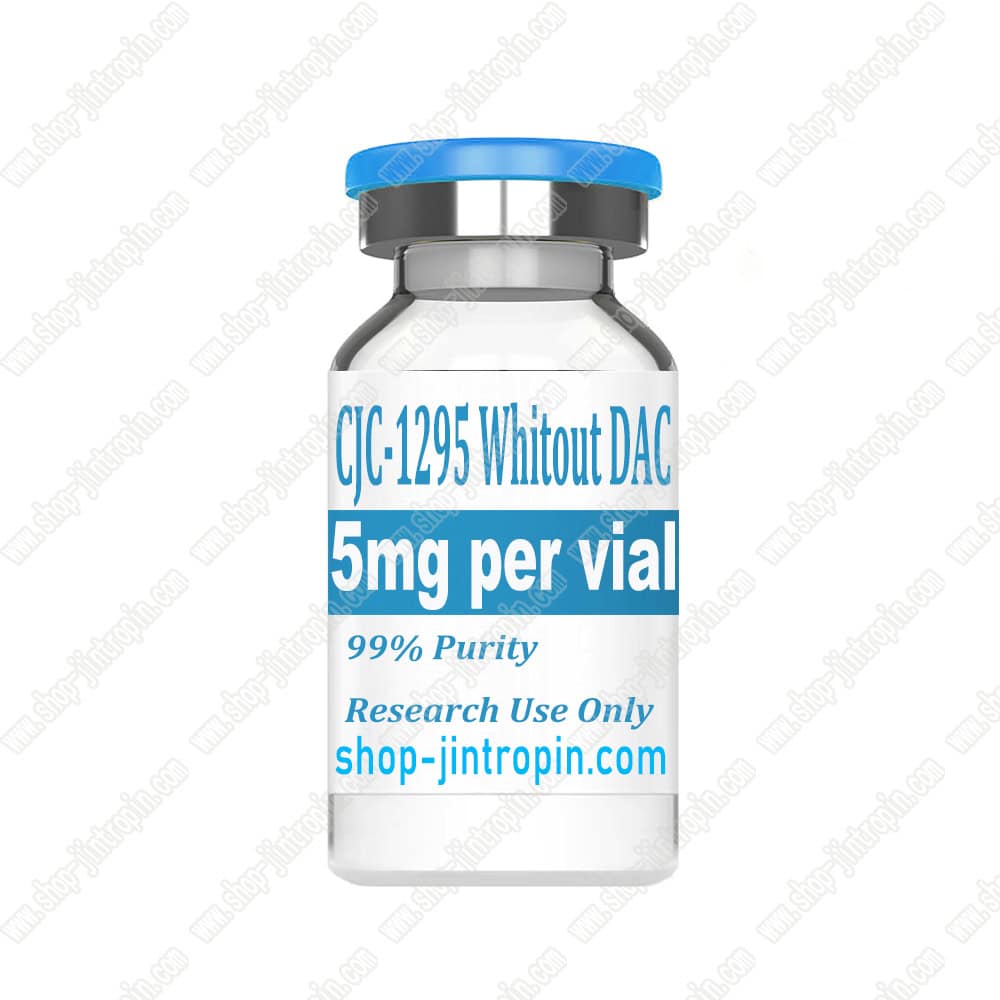
CJC-1295 Whitout DAC 5mg 10vials
Original price was: $270.00.$135.00Current price is: $135.00.
Need help? Call Or Text us, and a team member will be happy to assist you..
100% delivery
- Satisfaction Guaranteed
- No Hassle Refunds
- Secure Payments
Description
Introduction
Need help? Call Or Text us, and a team member will be happy to assist you. Need help? Call Or Text us, and a team member will be happy to assist you. or cure any medical condition, ailment or disease. Bodily introduction of any kind into humans or animals is strictly forbidden by law. Disclaimer: All articles and product details provided on this website are intended for educational and informational purposes only. The products listed here are for in-vitro research only. In-vitro studies are conducted outside of living organisms. These products are not intended as medicines or drugs and have not been approved by the FDA to prevent, treat, or cure any medical condition, ailment, or disease. The direct or indirect administration of these substances to humans or animals is unequivocally prohibited under applicable law. CJC 1295 is a synthetic analog derived from growth hormone?Creleasing hormone (GHRH). It incorporates the first 29 amino acids of native GHRH with the addition of a drug affinity complex (DAC), which substantially extends its half-life. This structural modification enhances stability and solubility, allowing for more sustained physiological effects compared to endogenous GHRH. Need help? Call Or Text us, and a team member will be happy to assist you. Need help? Call Or Text us, and a team member will be happy to assist you. or cure any medical condition, ailment or disease. Bodily introduction of any kind into humans or animals is strictly forbidden by law. Disclaimer: All articles and product details provided on this website are intended for educational and informational purposes only. The products listed here are for in-vitro research only. In-vitro studies are conducted outside of living organisms. These products are not intended as medicines or drugs and have not been approved by the FDA to prevent, treat, or cure any medical condition, ailment, or disease. The direct or indirect administration of these substances to humans or animals is unequivocally prohibited under applicable law. CJC 1295 is a synthetic analog derived from growth hormone?Creleasing hormone (GHRH). It incorporates the first 29 amino acids of native GHRH with the addition of a drug affinity complex (DAC), which substantially extends its half-life. This structural modification enhances stability and solubility, allowing for more sustained physiological effects compared to endogenous GHRH. CJC-1295 (with DAC) is a synthetic peptide composed of a defined amino acid sequence and modified with a Drug Affinity Complex (DAC) component. This modification is incorporated to support structural stability and extended presence in controlled experimental systems. The compound is structurally characterized and utilized in laboratory research settings for analytical and experimental evaluation under controlled, non-clinical conditions. It is supplied in lyophilized powder form to maintain stability and integrity during storage and handling. CJC-1295 (with DAC) is utilized in controlled laboratory research settings for applications such as:
About CJC-1295 Whitout DAC
CJC-1295 DAC peptide is a synthetic growth hormone-releasing hormone analog. In simpler terms, it is a lab-made peptide designed to act on the same general endocrine pathway as natural GHRH, a hypothalamic hormone that helps regulate growth hormone secretion from the anterior pituitary gland [2], [6]. The ??DAC?? part refers to a drug affinity complex. This feature was designed to allow longer circulation by binding to albumin, a major blood protein, which is one reason CJC-1295 DAC is discussed differently from shorter-acting GHRH fragments [2], [10]. Insulin syringes (typically 1mL with 29-31 gauge needles) 1. Allow the peptide vial to reach room temperature before opening. This prevents condensation from introducing moisture. 2. Wipe both the peptide vial stopper and the bacteriostatic water vial with alcohol swabs. 3. Draw the appropriate amount of BAC water into your syringe. For a 2mg vial of CJC-1295 DAC, 2mL of water creates a concentration of 1mg/mL (1000mcg/mL). For a 5mg vial, using 2.5mL creates a concentration of 2mg/mL (2000mcg/mL). 4. Insert the needle into the peptide vial at an angle, allowing the water to run down the glass wall rather than directly onto the powder. This gentle approach reduces peptide degradation. 5. Allow the water to dissolve the powder. Gentle swirling helps, but avoid shaking or vigorous agitation, which can damage the peptide structure. 6. The solution should be completely clear. Cloudiness or particles indicate potential contamination or degradation, and such solutions should not be used. The complete reconstitution guide provides additional detail on this process for various peptide types. Unreconstituted CJC-1295 is remarkably stable. Store it frozen at -20??C (-4??F) for long-term storage, where it remains viable for years. At room temperature, lyophilized CJC-1295 remains stable for weeks to months, though refrigeration or freezing extends shelf life significantly. Keep the powder away from light, heat, and moisture, all of which accelerate degradation. Once mixed with bacteriostatic water, the peptide becomes less stable. Store reconstituted CJC-1295 in the refrigerator at 2-8??C (36-46??F). Under proper refrigeration, it maintains potency for approximately 4 to 6 weeks, though using it within 28 days is optimal. Never freeze reconstituted peptide. The freeze-thaw cycle damages the molecular structure and reduces effectiveness. Similarly, avoid leaving reconstituted peptide at room temperature or exposing it to light. For detailed information on peptide shelf
Mechanism of Action
CJC 1295 functions as a full agonist at the GHRH receptor, stimulating the anterior pituitary to release growth hormone (GH). Preclinical studies in murine models have demonstrated a two- to ten-fold increase in GH concentrations following administration. Due to its prolonged half-life, the biological activity of CJC 1295 can extend for several days after a single dose. CJC 1295 functions as a full agonist at the GHRH receptor, stimulating the anterior pituitary to release growth hormone (GH). Preclinical studies in murine models have demonstrated a two- to ten-fold increase in GH concentrations following administration. Due to its prolonged half-life, the biological activity of CJC 1295 can extend for several days after a single dose. A mechanism can explain why researchers study a peptide, but it cannot prove a therapeutic result. Growth hormone and IGF-1 influence many tissues, yet benefit and risk depend on diagnosis, dose, exposure pattern, baseline hormone status, age, comorbidities, and monitoring [6], [7]. This is especially important for online claims about anti-aging, muscle growth, fat loss, and recovery. CJC-1295 DAC has biomarker evidence, but it lacks the kind of large, long-term clinical outcome trials needed to support those broad claims [1], [10]. Insulin syringes (typically 1mL with 29-31 gauge needles) 1. Allow the peptide vial to reach room temperature before opening. This prevents condensation from introducing moisture. 2. Wipe both the peptide vial stopper and the bacteriostatic water vial with alcohol swabs. 3. Draw the appropriate amount of BAC water into your syringe. For a 2mg vial of CJC-1295 DAC, 2mL of water creates a concentration of 1mg/mL (1000mcg/mL). For a 5mg vial, using 2.5mL creates a concentration of 2mg/mL (2000mcg/mL). 4. Insert the needle into the peptide vial at an angle, allowing the water to run down the glass wall rather than directly onto the powder. This gentle approach reduces peptide degradation. 5. Allow the water to dissolve the powder. Gentle swirling helps, but avoid shaking or vigorous agitation, which can damage the peptide structure. 6. The solution should be completely clear. Cloudiness or particles indicate potential contamination or degradation, and such solutions should not be used. The complete reconstitution guide provides additional detail on this process for various peptide types. Unreconstituted CJC-1295 is remarkably stable. Store it frozen at -20??C (-4??F) for long-term storage, where it remains viable for years. At room temperature, lyophilized CJC-1295 remains stable for weeks to months, though refrigeration or freezing extends shelf life significantly. Keep the powder away from light, heat, and moisture, all of which accelerate degradation. Once mixed with bacteriostatic water, the peptide becomes less stable. Store reconstituted CJC-1295 in the refrigerator at 2-8??C (36-46??F). Under proper refrigeration, it maintains potency for approximately 4 to 6 weeks, though using it within 28 days is optimal. Never freeze reconstituted peptide. The freeze-thaw cycle damages the molecular structure and reduces effectiveness. Similarly, avoid leaving reconstituted peptide at room temperature or exposing it to light. For detailed information on peptide shelf
Therapeutic Effects of CJC-1295 Whitout DAC
Elevated GH secretion through CJC 1295 administration has been associated with multiple physiological benefits in experimental settings, including: Elevated GH secretion through CJC 1295 administration has been associated with multiple physiological benefits in experimental settings, including: CJC-1295 (No DAC) 5MG is a synthetic research peptide used in controlled laboratory settings. Researchers study this peptide as a modified form of growth hormone-releasing hormone (GHRH) to examine signaling activity at the molecular level in non-clinical research models. Because this version does not include a Drug Affinity Complex, it shows a shorter activity window in laboratory studies compared to DAC-based forms. In research environments, scientists work with this non-DAC peptide to observe signaling patterns over short timeframes. As a result, laboratories include this compound in studies where timing and controlled observation periods are important. In laboratory research, scientists use this peptide to study GHRH-related signaling pathways under controlled conditions. These studies often focus on receptor interaction, peptide stability, and signaling response within limited observation windows. For this reason, the non-DAC format supports research designs that compare short-acting peptide behavior with longer-acting alternatives. Researchers value this research peptide for its clear structure and consistent composition. Its formulation allows laboratories to examine signaling activity without extended binding effects. This supports studies that rely on precision, repeatable timing, and controlled conditions. Each batch meets pharmaceutical-grade quality standards to support consistency and reliability in research supply. Independent testing and batch records allow researchers to review material details before use. Each shipment includes a Certificate of Analysis that supports batch verification and material clarity. No research information available for this product. Peptides are short chains of amino acids studied for their role in cellular signaling and molecular interactions. In research settings, they are commonly used to explore biological pathways and structure?Cfunction relationships. Across scientific disciplines, peptide research supports advances in biochemistry and molecular biology. Their precision and adaptability make peptides essential tools in modern laboratory research. Support precise investigation of cellular signaling pathways Enable targeted structure?Cfunction research at the molecular level Offer high specificity for controlled experimental design Adapt easily across a wide range of research applications Aid in studying protein interactions and biological responses Allow consistent and repeatable laboratory testing Integrate well with modern analytical and research methods Serve as foundational tools in biochemical and molecular research Peptides continue to serve as essential components in modern research due to their flexibility, precision, and well-defined structures. In laboratory settings, researchers rely on peptides to examine biological mechanisms, evaluate molecular interactions, and refine experimental models with a high level of control. Their scalable nature and compatibility with advanced analytical techniques make peptides valuable across both foundational studies and ongoing research development, supporting consistent, reproducible outcomes in controlled scientific environments. All Simple Peptide products labeled asResearch Use Only (RUO)are intended strictly forlaboratory, investigational, and scientific research purposes. These materials arenot approved by the FDAand arenot intended for human or veterinary use, clinical applications, diagnostic procedures, or therapeutic treatment of any kind. By purchasing or using RUO materials, you acknowledge that they will be handled only within an appropriate research environment by qualified personnel who understand the risks, limitations, and regulatory requirements associated with experimental compounds. Products must not be administered to humans or animals, offered as therapeutic agents, or represented as safe or effective for any medical purpose. Use of these materials is entirely at your own risk. Simple Peptide assumes no liability for misuse, unsafe handling, improper application, or any regulatory or compliance issues arising from their use. Choosing between CJC-1295 with DAC and without DAC is a research-design question, not a personal-use recommendation. A researcher may care about whether the model needs prolonged stimulation, shorter pulses, albumin binding, or a specific pharmacokinetic profile [2], [3]. For a patient or reader, the more important question is whether a licensed clinician has identified a medically valid indication, whether approved options exist, and whether the compound has adequate evidence and regulatory oversight [7], [10],16. Insulin syringes (typically 1mL with 29-31 gauge needles) 1. Allow the peptide vial to reach room temperature before opening. This prevents condensation from introducing moisture. 2. Wipe both the peptide vial stopper and the bacteriostatic water vial with alcohol swabs. 3. Draw the appropriate amount of BAC water into your syringe. For a 2mg vial of CJC-1295 DAC, 2mL of water creates a concentration of 1mg/mL (1000mcg/mL). For a 5mg vial, using 2.5mL creates a concentration of 2mg/mL (2000mcg/mL). 4. Insert the needle into the peptide vial at an angle, allowing the water to run down the glass wall rather than directly onto the powder. This gentle approach reduces peptide degradation. 5. Allow the water to dissolve the powder. Gentle swirling helps, but avoid shaking or vigorous agitation, which can damage the peptide structure. 6. The solution should be completely clear. Cloudiness or particles indicate potential contamination or degradation, and such solutions should not be used. The complete reconstitution guide provides additional detail on this process for various peptide types. Unreconstituted CJC-1295 is remarkably stable. Store it frozen at -20??C (-4??F) for long-term storage, where it remains viable for years. At room temperature, lyophilized CJC-1295 remains stable for weeks to months, though refrigeration or freezing extends shelf life significantly. Keep the powder away from light, heat, and moisture, all of which accelerate degradation. Once mixed with bacteriostatic water, the peptide becomes less stable. Store reconstituted CJC-1295 in the refrigerator at 2-8??C (36-46??F). Under proper refrigeration, it maintains potency for approximately 4 to 6 weeks, though using it within 28 days is optimal. Never freeze reconstituted peptide. The freeze-thaw cycle damages the molecular structure and reduces effectiveness. Similarly, avoid leaving reconstituted peptide at room temperature or exposing it to light. For detailed information on peptide shelf
Side Effects of CJC-1295 Whitout DAC
Combining growth hormone secretagogues may increase uncertainty around IGF-1 elevation, glucose effects, fluid retention, cardiovascular symptoms, and adverse reactions [10], [13]. FDA has separately flagged both CJC-1295-related and ipamorelin acetate compounded drugs as substances that may pose significant safety risks in certain compounding contexts [8]. Any combination claim should therefore be evidence-graded. Without high-quality clinical studies of the exact combination, dose, formulation, and population, benefit and risk remain uncertain [8], [10]. Human research shows that CJC-1295 can produce measurable growth hormone and IGF-1 changes in healthy adults [1], [3]. It does not show that CJC-1295 DAC is an approved or proven treatment for growth hormone deficiency, age-related hormone decline, athletic performance, or body composition goals [10]. Insulin syringes (typically 1mL with 29-31 gauge needles) 1. Allow the peptide vial to reach room temperature before opening. This prevents condensation from introducing moisture. 2. Wipe both the peptide vial stopper and the bacteriostatic water vial with alcohol swabs. 3. Draw the appropriate amount of BAC water into your syringe. For a 2mg vial of CJC-1295 DAC, 2mL of water creates a concentration of 1mg/mL (1000mcg/mL). For a 5mg vial, using 2.5mL creates a concentration of 2mg/mL (2000mcg/mL). 4. Insert the needle into the peptide vial at an angle, allowing the water to run down the glass wall rather than directly onto the powder. This gentle approach reduces peptide degradation. 5. Allow the water to dissolve the powder. Gentle swirling helps, but avoid shaking or vigorous agitation, which can damage the peptide structure. 6. The solution should be completely clear. Cloudiness or particles indicate potential contamination or degradation, and such solutions should not be used. The complete reconstitution guide provides additional detail on this process for various peptide types. Unreconstituted CJC-1295 is remarkably stable. Store it frozen at -20??C (-4??F) for long-term storage, where it remains viable for years. At room temperature, lyophilized CJC-1295 remains stable for weeks to months, though refrigeration or freezing extends shelf life significantly. Keep the powder away from light, heat, and moisture, all of which accelerate degradation. Once mixed with bacteriostatic water, the peptide becomes less stable. Store reconstituted CJC-1295 in the refrigerator at 2-8??C (36-46??F). Under proper refrigeration, it maintains potency for approximately 4 to 6 weeks, though using it within 28 days is optimal. Never freeze reconstituted peptide. The freeze-thaw cycle damages the molecular structure and reduces effectiveness. Similarly, avoid leaving reconstituted peptide at room temperature or exposing it to light. For detailed information on peptide shelf
Storage & Handling of CJC-1295 Whitout DAC
Store lyophilized peptide powder in a cool, dry place at 2-8 degree C (refrigerate). After reconstitution with bacteriostatic water, keep refrigerated and use within the recommended timeframe. Protect from light and moisture. Do not freeze the reconstituted solution. Keep the product in its original packaging until ready for use. Insulin syringes (typically 1mL with 29-31 gauge needles) 1. Allow the peptide vial to reach room temperature before opening. This prevents condensation from introducing moisture. 2. Wipe both the peptide vial stopper and the bacteriostatic water vial with alcohol swabs. 3. Draw the appropriate amount of BAC water into your syringe. For a 2mg vial of CJC-1295 DAC, 2mL of water creates a concentration of 1mg/mL (1000mcg/mL). For a 5mg vial, using 2.5mL creates a concentration of 2mg/mL (2000mcg/mL). 4. Insert the needle into the peptide vial at an angle, allowing the water to run down the glass wall rather than directly onto the powder. This gentle approach reduces peptide degradation. 5. Allow the water to dissolve the powder. Gentle swirling helps, but avoid shaking or vigorous agitation, which can damage the peptide structure. 6. The solution should be completely clear. Cloudiness or particles indicate potential contamination or degradation, and such solutions should not be used. The complete reconstitution guide provides additional detail on this process for various peptide types. Unreconstituted CJC-1295 is remarkably stable. Store it frozen at -20??C (-4??F) for long-term storage, where it remains viable for years. At room temperature, lyophilized CJC-1295 remains stable for weeks to months, though refrigeration or freezing extends shelf life significantly. Keep the powder away from light, heat, and moisture, all of which accelerate degradation. Once mixed with bacteriostatic water, the peptide becomes less stable. Store reconstituted CJC-1295 in the refrigerator at 2-8??C (36-46??F). Under proper refrigeration, it maintains potency for approximately 4 to 6 weeks, though using it within 28 days is optimal. Never freeze reconstituted peptide. The freeze-thaw cycle damages the molecular structure and reduces effectiveness. Similarly, avoid leaving reconstituted peptide at room temperature or exposing it to light. For detailed information on peptide shelf
Summary of CJC-1295 Whitout DAC
CJC 1295 demonstrates significant potential as a growth hormone?Creleasing therapy with implications for fat reduction, muscle development, and recovery processes. Its prolonged activity and ability to maintain pulsatile GH release distinguish it from other secretagogues. Ongoing investigations are assessing its synergistic use with growth hormone secretagogue receptor agonists, such as ipamorelin, which may further amplify GH release through complementary mechanisms. Product available for research use only: CJC 1295 demonstrates significant potential as a growth hormone?Creleasing therapy with implications for fat reduction, muscle development, and recovery processes. Its prolonged activity and ability to maintain pulsatile GH release distinguish it from other secretagogues. Ongoing investigations are assessing its synergistic use with growth hormone secretagogue receptor agonists, such as ipamorelin, which may further amplify GH release through complementary mechanisms. Product available for research use only: FDA??s 2024 Pharmacy Compounding Advisory Committee materials proposed that CJC-1295-related bulk drug substances not be included on the 503A bulks list, and a 2026 FDA safety-risk page lists CJC-1295 among substances that may present significant safety risks in compounding contexts [8],11. FDA also found no authorized CJC-1295 products in several reviewed jurisdictions, including the United States and the European Union, according to its review document [10]. For sport, WADA??s prohibited list includes growth hormone releasing factors and related substances, including CJC-1295 [15]. Athletes should treat this as a compliance and health concern, not as a performance shortcut. Important Notice:By purchasing products from this website, you confirm that you are at least 21 years of age and legally permitted to purchase and use such products in your jurisdiction. Laws regarding anabolic compounds vary by location, and it is your responsibility to review and comply with local regulations before placing an order. All products are intended for research and informational purposes only. They are not intended to diagnose, treat, cure, or prevent any disease. These statements have not been evaluated by the Food and Drug Administration. Always consult with a qualified healthcare professional before use. ? 2009 -2026RoidsMaLL. All rights reserved. Use responsibly with a balanced diet and structured training program. Insulin syringes (typically 1mL with 29-31 gauge needles) 1. Allow the peptide vial to reach room temperature before opening. This prevents condensation from introducing moisture. 2. Wipe both the peptide vial stopper and the bacteriostatic water vial with alcohol swabs. 3. Draw the appropriate amount of BAC water into your syringe. For a 2mg vial of CJC-1295 DAC, 2mL of water creates a concentration of 1mg/mL (1000mcg/mL). For a 5mg vial, using 2.5mL creates a concentration of 2mg/mL (2000mcg/mL). 4. Insert the needle into the peptide vial at an angle, allowing the water to run down the glass wall rather than directly onto the powder. This gentle approach reduces peptide degradation. 5. Allow the water to dissolve the powder. Gentle swirling helps, but avoid shaking or vigorous agitation, which can damage the peptide structure. 6. The solution should be completely clear. Cloudiness or particles indicate potential contamination or degradation, and such solutions should not be used. The complete reconstitution guide provides additional detail on this process for various peptide types. Unreconstituted CJC-1295 is remarkably stable. Store it frozen at -20??C (-4??F) for long-term storage, where it remains viable for years. At room temperature, lyophilized CJC-1295 remains stable for weeks to months, though refrigeration or freezing extends shelf life significantly. Keep the powder away from light, heat, and moisture, all of which accelerate degradation. Once mixed with bacteriostatic water, the peptide becomes less stable. Store reconstituted CJC-1295 in the refrigerator at 2-8??C (36-46??F). Under proper refrigeration, it maintains potency for approximately 4 to 6 weeks, though using it within 28 days is optimal. Never freeze reconstituted peptide. The freeze-thaw cycle damages the molecular structure and reduces effectiveness. Similarly, avoid leaving reconstituted peptide at room temperature or exposing it to light. For detailed information on peptide shelf
Disclaimer
This product is intended for laboratory research purposes only. It is not for human consumption, veterinary use, or any other commercial application. This product has not been evaluated or approved by the US Food and Drug Administration (FDA) or any other regulatory agency. The statements made regarding this product have not been evaluated by the FDA. This product is not intended to diagnose, treat, cure, or prevent any disease. All research should be conducted in accordance with applicable laws and regulations. Consult a qualified professional for more information.
FAQ
Insulin syringes (typically 1mL with 29-31 gauge needles) 1. Allow the peptide vial to reach room temperature before opening. This prevents condensation from introducing moisture. 2. Wipe both the peptide vial stopper and the bacteriostatic water vial with alcohol swabs. 3. Draw the appropriate amount of BAC water into your syringe. For a 2mg vial of CJC-1295 DAC, 2mL of water creates a concentration of 1mg/mL (1000mcg/mL). For a 5mg vial, using 2.5mL creates a concentration of 2mg/mL (2000mcg/mL). 4. Insert the needle into the peptide vial at an angle, allowing the water to run down the glass wall rather than directly onto the powder. This gentle approach reduces peptide degradation. 5. Allow the water to dissolve the powder. Gentle swirling helps, but avoid shaking or vigorous agitation, which can damage the peptide structure. 6. The solution should be completely clear. Cloudiness or particles indicate potential contamination or degradation, and such solutions should not be used. The complete reconstitution guide provides additional detail on this process for various peptide types. Unreconstituted CJC-1295 is remarkably stable. Store it frozen at -20??C (-4??F) for long-term storage, where it remains viable for years. At room temperature, lyophilized CJC-1295 remains stable for weeks to months, though refrigeration or freezing extends shelf life significantly. Keep the powder away from light, heat, and moisture, all of which accelerate degradation. Once mixed with bacteriostatic water, the peptide becomes less stable. Store reconstituted CJC-1295 in the refrigerator at 2-8??C (36-46??F). Under proper refrigeration, it maintains potency for approximately 4 to 6 weeks, though using it within 28 days is optimal. Never freeze reconstituted peptide. The freeze-thaw cycle damages the molecular structure and reduces effectiveness. Similarly, avoid leaving reconstituted peptide at room temperature or exposing it to light. For detailed information on peptide shelf
You must be logged in to post a review.


Reviews
There are no reviews yet.